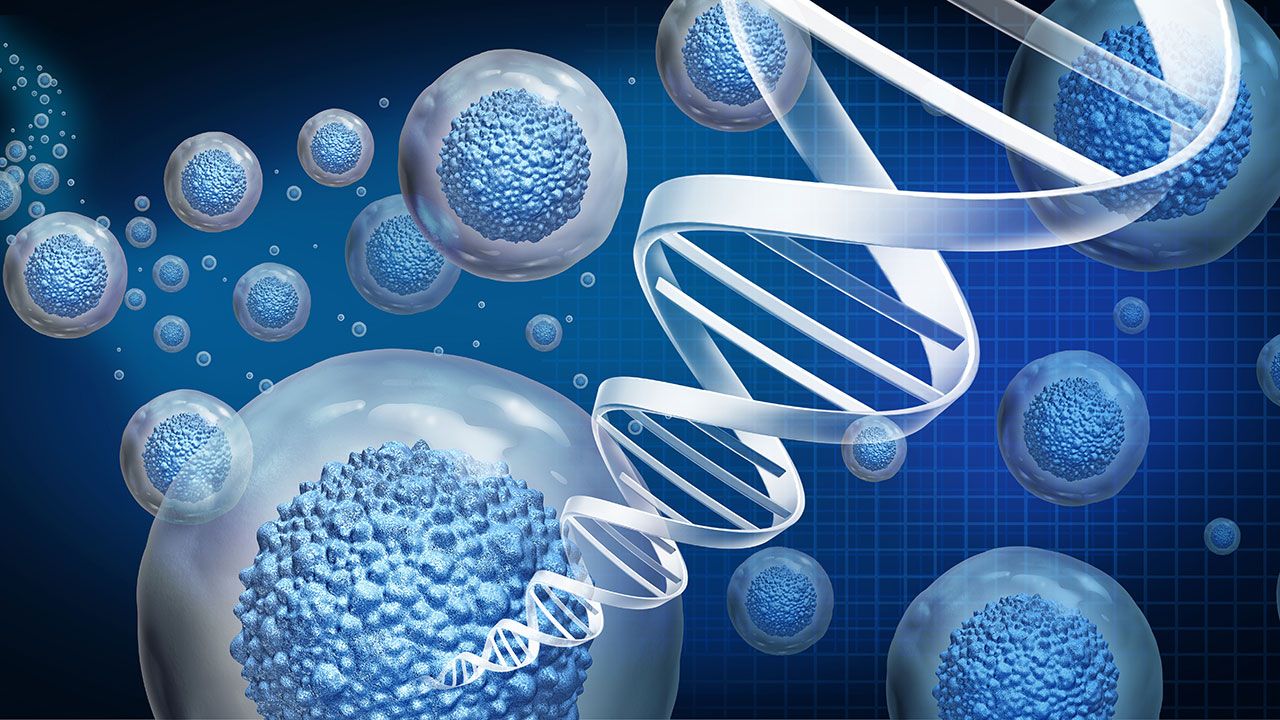
The Invisible Clock: How Environmental Epigenetics Accelerates Skin Aging
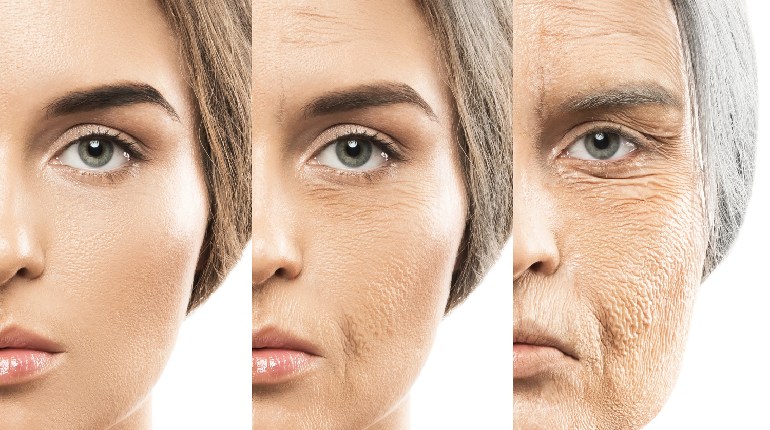
The traditional understanding of aging has long been centered on the inevitable ticking of our biological clock, dictated primarily by the genetic code we inherit from our parents. However, modern dermatology and molecular biology have shifted focus toward a more dynamic influence: environmental epigenetics. While our DNA sequence remains static throughout our lives, the way our bodies read those genes is constantly being modified by the world around us. This phenomenon explains why two individuals with similar genetic backgrounds can age at vastly different rates based on their geography, lifestyle, and environment.
In the context of skin health, epigenetics serves as the bridge between external stressors and cellular function. It is the mechanism by which pollution, ultraviolet (UV) radiation, and climate transform the physical appearance of the skin, leading to premature wrinkles, hyperpigmentation, and a loss of structural integrity.
Understanding the Epigenetic Machinery
To grasp how the environment influences skin aging, one must first understand the primary mechanisms of epigenetic regulation. Epigenetics does not change the “letters” of the DNA alphabet; instead, it adds “punctuation marks” that tell the cell which genes to turn on or off.
DNA Methylation
DNA methylation is perhaps the most studied epigenetic mechanism. It involves the addition of a methyl group to the DNA molecule, typically acting as a “silencer.” When a gene promoter is methylated, the gene is usually turned off. In aging skin, the patterns of DNA methylation shift significantly. Chronic exposure to environmental hazards can cause the “silencing” of genes responsible for collagen production or antioxidant defense, while simultaneously “awakening” genes that promote inflammation.
Histone Modification
DNA is wrapped around proteins called histones. If the DNA is wrapped tightly, the cellular machinery cannot access the genes. Environmental factors can trigger chemical changes to these histones, causing them to loosen or tighten their grip on the DNA. This determines how efficiently the skin can repair itself after damage.
Non-coding RNA and MicroRNA
MicroRNAs are small molecules that do not code for proteins but instead regulate the stability of other RNA molecules. They act as a fine-tuning system for the skin. Pollution and UV rays can alter the expression of microRNAs that control the skin barrier function, leading to increased sensitivity and dryness.
The Primary Drivers of Epigenetic Skin Aging
The skin is the body’s primary interface with the external world, making it the most vulnerable organ to epigenetic shifts. Several key environmental factors act as catalysts for these changes.
Ultraviolet Radiation and the Photoaging Signature
UV radiation is the most aggressive environmental factor affecting skin longevity. Beyond immediate DNA damage (mutations), UV rays induce long-term epigenetic changes. Research shows that UV exposure leads to specific DNA methylation patterns that inhibit the production of Type I Collagen. This creates a state of chronic “molecular scarring,” where the skin loses its ability to bounce back, resulting in deep furrows and leathery textures.
Ambient Air Pollution and Particulate Matter
In urban environments, particulate matter (PM), volatile organic compounds (COVs), and polycyclic aromatic hydrocarbons (PAHs) penetrate the skin barrier. These pollutants trigger oxidative stress, which in turn alters the epigenetic landscape of skin cells. Studies have indicated that individuals living in highly polluted areas show higher levels of site-specific DNA methylation associated with dark spots (lentigines) and extrinsic aging.
The Role of Diet and Nutritional Epigenetics
What we consume provides the raw materials for epigenetic modifications. Nutrients like folate, Vitamin B12, and methionine are essential for the methylation process. A diet lacking in these “methyl donors,” combined with high sugar intake (which leads to glycation), can leave the skin’s epigenetic repair mechanisms underfunded. Conversely, certain polyphenols found in green tea or resveratrol have been shown to “remodel” epigenetic marks, potentially slowing the degradation of the extracellular matrix.
The Impact on Skin Architecture
When environmental stressors trigger these epigenetic shifts, the physical structure of the skin undergoes a profound transformation. These changes are not merely superficial; they represent a fundamental breakdown of cellular communication.
-
Collagen and Elastin Degradation: Epigenetic signals increase the production of Matrix Metalloproteinases (MMPs). These are enzymes that effectively “chew up” the collagen and elastin fibers that keep skin firm.
-
Barrier Dysfunction: Changes in the methylation of genes responsible for filaggrin and ceramide synthesis weaken the skin’s moisture barrier. This results in Transepidermal Water Loss (TEWL), leaving the skin looking dull and dehydrated.
-
Inflammaging: This term describes a state of chronic, low-grade inflammation driven by epigenetic reprogramming. When the skin is constantly “on alert” due to pollution or UV stress, it produces pro-inflammatory cytokines that accelerate the breakdown of healthy tissue.
-
Melanocyte Dysregulation: Epigenetic modifications can cause certain areas of the skin to overproduce melanin while others underproduce it, leading to the uneven skin tone and “age spots” characteristic of environmental damage.
Reversibility and the Future of Epigenetic Skincare
The most exciting aspect of epigenetics is that, unlike genetic mutations, epigenetic marks are potentially reversible. This has birthed a new era of “epigenetic cosmetics” and therapeutic interventions designed to “reset” the skin’s cellular memory.
Targeted Topical Ingredients
Newer formulations are moving beyond simple hydration. Ingredients such as hexapeptides, seaweed extracts, and stable Vitamin C derivatives are being studied for their ability to influence DNA methyltransferase activity. By encouraging the “re-awakening” of longevity genes, these ingredients aim to restore the skin’s youthful gene expression profile.
Lifestyle as a Genetic Switch
Because epigenetics is responsive to behavior, lifestyle choices act as a daily “edit” to our genetic expression. Regular exercise, adequate sleep (which regulates circadian genes), and stress management have all been shown to promote a “younger” epigenetic profile. Reducing the systemic load of oxidative stress allows the skin’s natural repair enzymes to function without interference.
Conclusion
Environmental epigenetics has redefined our understanding of skin aging. We are no longer solely at the mercy of our heritage; rather, our skin is a living record of our environment and choices. By understanding the molecular mechanisms of DNA methylation and histone modification, we can better protect the skin from the invisible threats of pollution and radiation. The future of skincare lies not just in masking the signs of aging, but in correcting the epigenetic signals that cause them in the first place.
Frequently Asked Questions
How does the “epigenetic clock” differ from chronological age?
Chronological age is simply the number of years you have been alive. The epigenetic clock, often measured by DNA methylation levels, reflects the biological age of your cells. If you have had high environmental exposure without protection, your skin’s epigenetic age may be significantly higher than your actual age.
Can epigenetic damage to the skin be completely erased?
While “completely erased” is a strong term, epigenetic marks are plastic and responsive. Through consistent use of antioxidants, UV protection, and potentially “epigenetic-modulating” ingredients, you can shift the gene expression patterns back toward a more youthful state, effectively slowing or partially reversing visible aging.
Do different climates affect skin epigenetics differently?
Yes. High-altitude climates with intense UV exposure primarily trigger epigenetic changes related to DNA repair and melanin. In contrast, cold, dry climates or highly industrialised urban areas may trigger changes related to barrier function and chronic inflammation.
Are children more susceptible to environmental epigenetic shifts?
The epigenome is most vulnerable during periods of rapid development. However, skin epigenetics are cumulative. Exposures during childhood and adolescence can set a “baseline” for how the skin will age decades later, which is why early sun protection is so critical.
Is there a specific test to measure skin’s epigenetic age?
While commercial “biological age” tests exist (often using saliva or blood), specific dermatological epigenetic testing is currently more common in research settings than in standard clinical practice. However, this technology is rapidly migrating toward consumer skincare diagnostics.
Does sleep deprivation cause epigenetic changes in the skin?
Yes. Sleep regulates the circadian rhythm genes within skin cells. Chronic sleep deprivation can lead to epigenetic “mismatching,” where the skin fails to switch from its daytime “protection mode” to its nighttime “repair mode,” accelerating the appearance of aging.
Can emotional stress impact skin aging through epigenetics?
The brain-skin axis is well-documented. High levels of cortisol (the stress hormone) can influence DNA methylation patterns in skin cells, leading to a breakdown in the skin barrier and increased sensitivity, similar to the effects of physical environmental pollutants.