Category

Fitness

Category

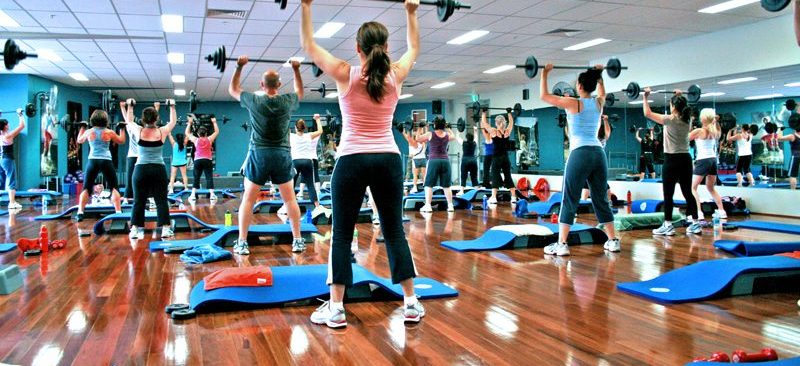
If you have ever walked into a gym, looked around at the rows of machines and free weights, and then quietly walked back out, you are not alone. This experience is so common it has its own name: gym intimidation. It affects beginners, returning gym-goers, and even people who are reasonably fit but simply do not have a structured plan. The good news is that this problem has a very practical solution, and it does not involve hiring a personal trainer or spending hours watching YouTube tutorials. The answer lies in joining fitness classes singapore, where the thinking is done for you, the structure is built in, and the environment is designed to keep you moving.

In Singapore, where people lead extremely busy lives and free time is precious, the last thing anyone wants is to spend thirty minutes of a gym session figuring out what exercise to do next. Workout classes remove that friction entirely. You show up, an instructor tells you what to do, and you leave having completed a full session. But the benefits go far deeper than convenience. Let us break down exactly why workout classes are the most effective solution to gym confusion, and why they work from both a psychological and physiological standpoint.

The Real Problem: Decision Fatigue in the Gym

Most people underestimate how mentally exhausting it is to design your own workout. When you enter a gym alone, you face a series of decisions: Which muscle group should I train today? How many sets? How much rest between exercises? What is the correct form? Am I pushing hard enough? Should I do cardio before or after weights?

These might seem like small questions, but they add up quickly. Psychologists call this decision fatigue, a well-documented phenomenon where the quality of decisions deteriorates after a long session of decision making. In the context of a gym, decision fatigue means you will either give up and leave early, do the same three exercises you always do out of habit, or spend more time resting between sets than actually working out.

Workout classes eliminate every single one of these decisions. The instructor has already designed a programme, set the pace, chosen the music, and mapped out the warm-up and cool-down. You become a participant rather than a planner, and that shift alone makes the session significantly more productive.

Structure Builds Consistency, and Consistency Builds Results

One of the biggest reasons people do not see results from going to the gym is inconsistency. They go hard for two weeks, then miss a week, then struggle to get back into the routine. Workout classes help solve this because they operate on a schedule, and schedules create accountability.

When you book a class at a specific time, you are far more likely to show up than if you had vaguely planned to “go to the gym sometime tomorrow.” Research in behavioural psychology consistently shows that implementation intentions, which are specific plans tied to a time and place, dramatically increase follow-through on goals. Booking a class is essentially an implementation intention built into your fitness routine.

Beyond scheduling, the structured progression within classes also means your body is being challenged appropriately over time. Good instructors adjust difficulty, introduce new movements, and vary the training stimulus so that participants continue to improve rather than plateau.

Why Beginners Specifically Benefit From Class Environments

For someone who is new to exercise, the gym floor can be an overwhelming and even intimidating place. The equipment looks foreign, other gym-goers seem to know exactly what they are doing, and there is a very real fear of looking foolish or injuring yourself by using a machine incorrectly.

Workout classes offer a safe container for learning. In a class setting, everyone is following the instructor at the same time, which means no single person is being watched or judged. Beginners can observe others, follow along at their own pace, and ask questions in an environment that is designed to be welcoming rather than competitive.

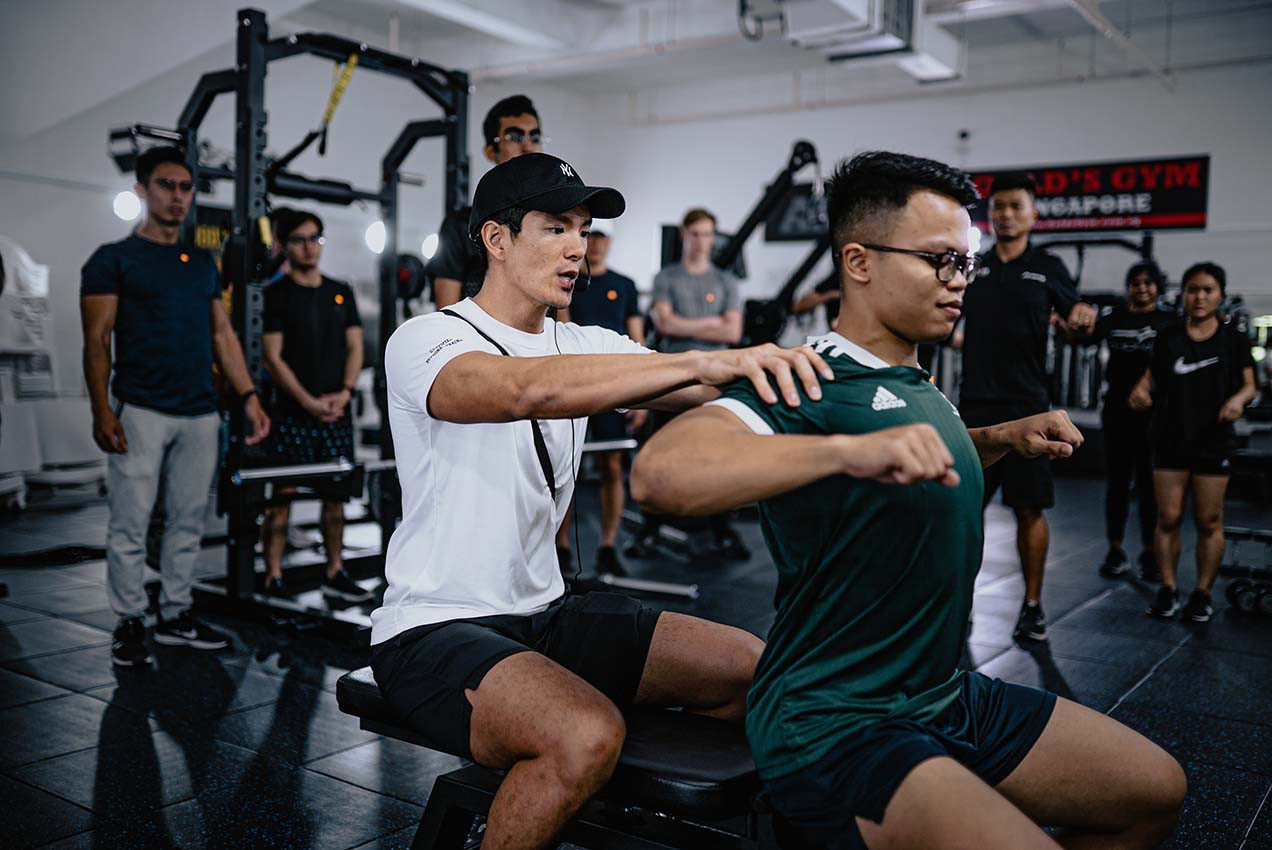
The instructor is also a critical safety mechanism. Proper form and technique are taught from the start, which dramatically reduces injury risk. This is particularly important in Singapore, where many working adults come to exercise with sedentary postures from long hours at a desk, which creates specific vulnerabilities in the lower back, hips, and shoulders.

The Variety Factor: Keeping Things Fresh So You Do Not Quit

One of the most underrated aspects of workout classes is the sheer variety available. From HIIT and cycling to yoga, barre, strength training, and aqua fitness, the options are wide enough that anyone can find something they enjoy. And enjoyment is not a luxury in fitness. It is a necessity.

Research consistently shows that people who enjoy their exercise are significantly more likely to maintain it long term. The moment a workout feels like a punishment, consistency drops. Workout classes, by contrast, introduce new movements, music, and formats that keep sessions engaging and something to look forward to rather than dread.

In a city like Singapore, where options are plentiful and people are spoilt for choice, having access to a diverse class timetable means you can mix formats across the week. You might do a strength class on Monday, a yoga session on Wednesday, and a cardio-based class on Friday. This cross-training approach also reduces overuse injuries and ensures balanced physical development.

The Role of the Instructor: More Than Just Someone Shouting Counts

A good fitness instructor does far more than count repetitions. They cue proper form in real time, which is something no app or video can do as effectively. They read the energy of the room and adjust intensity accordingly. They motivate participants through challenging moments and provide modifications for those who need them. They also create a safe and inclusive environment where people of different fitness levels can train together without feeling out of place.

In Singapore, the standard of fitness instruction has risen considerably over the past decade. Most reputable studios require instructors to hold internationally recognised certifications and maintain continuing education. This means when you walk into a class, you are being guided by someone with real expertise, not just enthusiasm.

Social Connection as a Fitness Tool

Humans are social creatures, and this fact has direct implications for fitness behaviour. Multiple studies have shown that people who exercise with others have higher attendance rates, work harder during sessions, and report greater enjoyment compared to those who exercise alone.

Workout classes naturally create a community. You see the same faces each week. You share the experience of a tough circuit or a challenging yoga sequence. Over time, these small shared moments build genuine connections, and those connections become another reason to keep showing up.

At True Fitness Singapore, this sense of community is actively cultivated through the class environment, where members are encouraged to challenge themselves alongside others in a supportive setting rather than a competitive one.

Practical Tips for Getting Started With Workout Classes in Singapore

If you are ready to take the step from aimless gym visits to structured, results-driven classes, here are some practical starting points.

  • Start with two to three classes per week to allow your body to adapt without risking burnout or injury
  • Try at least three different class formats before deciding which ones suit you best, as first impressions can be misleading
  • Arrive five to ten minutes early so you can introduce yourself to the instructor and let them know you are new
  • Wear appropriate footwear for the class type, as cross-trainers work well for most formats but some classes require specific shoes
  • Do not compare your performance to others in the room, especially in your first few weeks
  • Stay hydrated and eat a light meal one to two hours before class, particularly for high-intensity formats
  • Book your classes in advance to hold yourself accountable and secure your spot

FAQ

Q: I have never exercised before. Are workout classes suitable for complete beginners?

A: Yes, absolutely. Most workout classes are designed with multiple fitness levels in mind, and instructors routinely offer modifications for beginners. Let the instructor know before class starts that you are new, and they will keep an eye on your form and help you adjust where needed.

Q: How many classes per week should I attend to see noticeable results?

A: For general fitness improvement, three to four classes per week is a solid starting point. However, the type of classes matters as much as the frequency. Mixing strength-based and cardio-based formats across the week tends to produce more balanced and visible results than doing the same class type repeatedly.

Q: Will I get injured if I push too hard in a class?

A: The risk is there if you ignore your body’s signals or skip modifications when they are offered. Good instructors will always remind you to work within your limits. Listen to your body, especially in the first few weeks, and do not feel pressured to match the pace of more experienced participants.

Q: Are workout classes more effective than going to the gym alone?

A: For most people, yes, particularly for consistency and motivation. The structured environment, instructor guidance, and social accountability tend to produce better long-term adherence than solo gym sessions, which can often become aimless or repetitive without a clear programme.

Q: What should I bring to my first workout class?

A: Bring a water bottle, a small towel, appropriate workout attire, and suitable footwear. Some studios provide equipment like mats or weights, but it is always worth checking beforehand. Arrive a few minutes early to familiarise yourself with the space.

In Singapore’s fast-paced fitness culture, enthusiasm often leads many to train harder instead of smarter. Yet, behind every sustainable transformation is a well-managed recovery strategy. A qualified personal gym trainer Singapore understands that true progress isn’t just built during workouts, but during recovery. Through scientific programming and personalised guidance, they help clients avoid overtraining, reduce injury risks, and achieve consistent performance improvements.

Understanding Overtraining: When Too Much Becomes Counterproductive

Overtraining occurs when the body doesn’t have adequate time to recover between sessions. While discipline is vital, pushing beyond recovery capacity can trigger fatigue, hormonal imbalance, and even mental burnout. In Singapore, where clients often balance long work hours with intense gym sessions, this becomes a common challenge.

A professional trainer assesses each individual’s workload, sleep quality, stress levels, and nutrition before crafting training plans. This prevents the common mistake of adding intensity without balancing rest and adaptation phases.

How Recovery Shapes Long-Term Fitness

Recovery is not passive; it’s a physiological process where the body repairs muscle tissue, replenishes energy stores, and strengthens the nervous system. Trainers incorporate structured rest days, deload weeks, and varied training intensities to enhance recovery efficiency.

A well-designed recovery plan can:

  • Improve strength and endurance through supercompensation

  • Enhance sleep quality and mood stability

  • Reduce cortisol levels and inflammation

  • Prevent repetitive strain injuries

By managing both training load and recovery, personal trainers ensure steady progress instead of erratic peaks and crashes.

Periodisation and Load Management: The Secret Weapon

Professional trainers apply scientific principles like periodisation, where training is broken into cycles with specific goals such as endurance, strength, and power. Each cycle has recovery phases built in to allow adaptation.

For instance, a four-week program might include three progressive weeks followed by one lighter week for restoration. This approach allows muscles and connective tissues to recover fully while maintaining consistent motivation.

Active Recovery Techniques That Boost Results

Unlike complete rest, active recovery keeps blood flowing to help remove metabolic waste and accelerate tissue repair. Trainers in Singapore often guide clients through:

  • Low-intensity cardio (e.g., walking, swimming, cycling)

  • Stretching and foam rolling routines

  • Mobility drills targeting tight joints

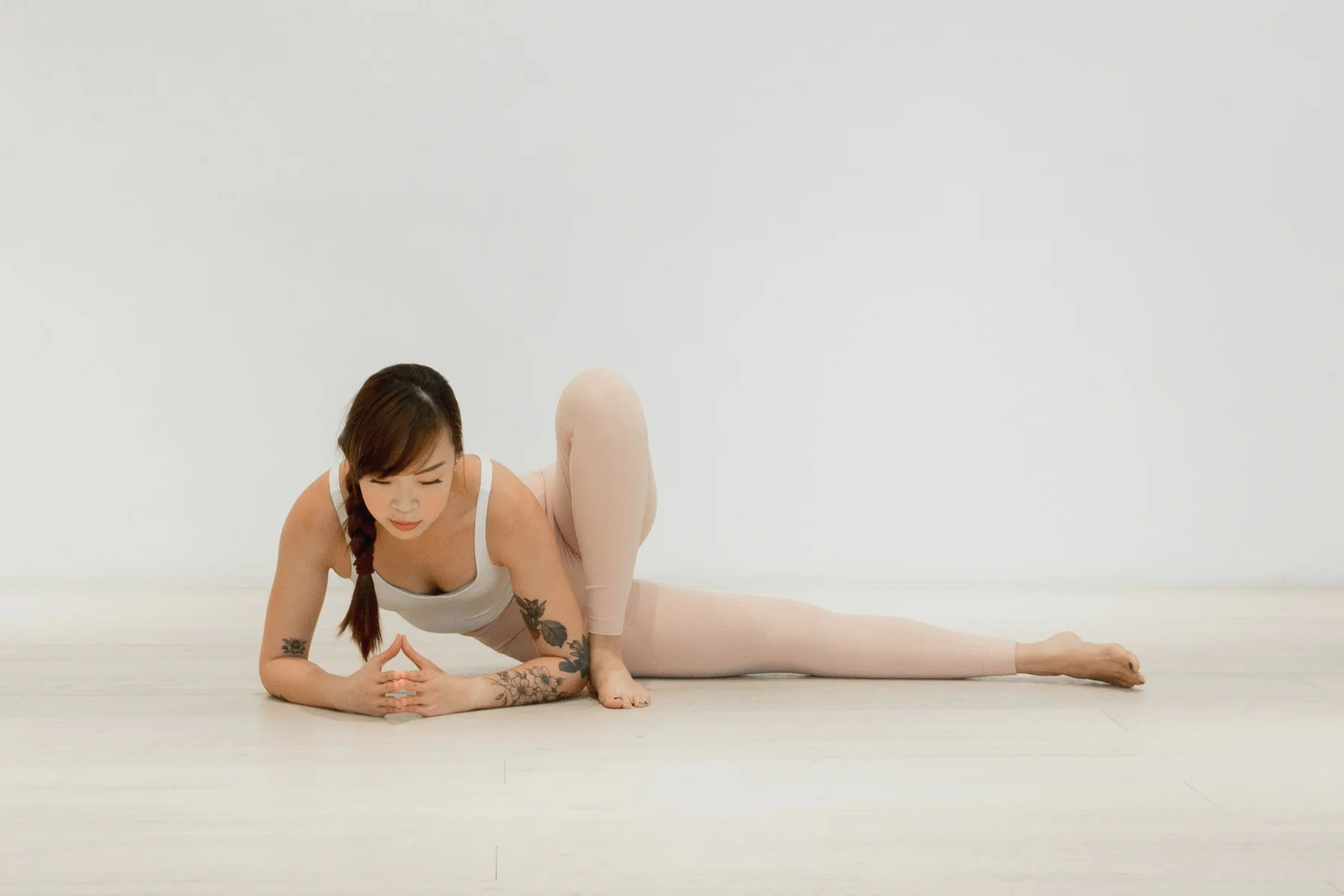
  • Gentle yoga or pilates sessions

Active recovery also helps clients stay consistent with movement, avoiding the slump that sometimes follows total rest days.

Nutrition and Hydration: The Overlooked Recovery Partners

Recovery is incomplete without proper nutrition. A certified trainer ensures clients consume adequate protein for muscle repair, carbohydrates for glycogen restoration, and micronutrients for cellular recovery. Hydration plays an equally vital role, especially in Singapore’s humid climate. Trainers educate clients about electrolyte balance and post-workout hydration habits to prevent cramping and fatigue.

Sleep: The Ultimate Recovery Tool

Sleep quality directly impacts muscle repair, growth hormone production, and mental recovery. Personal trainers often advise clients on sleep hygiene practices such as consistent bedtimes, reduced screen exposure, and controlled caffeine intake. Many successful athletes treat sleep as part of their training, not an afterthought.

Monitoring Recovery with Data and Feedback

Modern fitness coaching involves tracking more than just weights lifted. Trainers use wearable technology and client feedback to measure:

  • Heart rate variability (HRV)

  • Resting heart rate

  • Training readiness scores

  • Subjective fatigue and soreness levels

This data helps adjust session intensity dynamically. For example, if HRV drops significantly, the trainer may switch a heavy lifting session to light mobility work, preventing unnecessary stress on the body.

Injury Prevention Through Smart Training Design

An experienced personal trainer in Singapore doesn’t just react to injuries; they prevent them. They teach proper biomechanics, warm-up techniques, and exercise modifications suited to individual needs. Small corrective movements can eliminate muscular imbalances that often lead to chronic pain.

Common preventive strategies include:

  • Strengthening stabiliser muscles (e.g., rotator cuff, glutes, core)

  • Regular mobility screening to identify weak links

  • Adjusting exercise form based on fatigue feedback

This proactive approach ensures clients can train longer and stronger without setbacks.

The Psychological Side of Recovery

Mental recovery is as critical as physical rest. Burnout often arises from constant self-pressure and unrealistic goals. Trainers support clients through mental resets, mindset coaching, and achievable milestones. Building discipline around rest takes as much commitment as the workouts themselves.

A supportive trainer-client relationship also creates accountability, helping individuals respect recovery days instead of feeling guilty about them.

Integrating TFX’s Recovery Philosophy

Modern gyms such as TFX emphasise recovery as a cornerstone of holistic fitness. Their trainers integrate advanced tools like recovery tracking apps, sports massage sessions, and smart strength equipment to tailor each client’s journey. Whether it’s an office professional or athlete, TFX trainers adapt recovery methods to match energy levels, sleep patterns, and lifestyle demands.

Redefining Progress Through Recovery

The misconception that harder training equals better results is fading. In Singapore, where lifestyle stress and humidity challenge the body’s resilience, the role of recovery becomes even more significant. By following structured recovery protocols under the supervision of a certified trainer, clients achieve better consistency, stronger immunity, and sustainable growth.

FAQs

1. How can I tell if I’m overtraining?
Common signs include persistent fatigue, loss of motivation, irritability, and reduced performance. A trainer helps identify these early and adjusts your plan accordingly.

2. How often should I rest between training sessions?
This varies by intensity and goal. Strength sessions typically require 48 hours between the same muscle groups, while lighter recovery activities can be done daily.

3. Can active recovery still improve my fitness?
Yes, active recovery maintains circulation and flexibility, helping your body heal faster and return stronger for your next workout.

4. What’s the best way to improve recovery at home?
Focus on sleep, hydration, mobility stretches, and balanced meals rich in antioxidants and protein.

5. Do professional athletes in Singapore use personal gym trainers for recovery?
Absolutely. Many athletes collaborate with trainers who specialise in performance recovery, mobility correction, and stress reduction to stay at their peak year-round.

For fitness enthusiasts in Singapore, an indoor spin class offers a high-intensity, full-body workout that delivers results quickly. Whether your goal is weight loss, cardiovascular endurance, or strength building, the setup of your spin bike plays a critical role in achieving success. Yet, many riders overlook the importance of correct bike adjustments, leading to discomfort, suboptimal performance, and even injury. Mastering your bike setup is not just about feeling comfortable—it is essential for riding efficiently and safely.

Why Proper Bike Setup Matters

Spin bikes are highly adjustable to accommodate different body types and fitness levels. A poorly set-up bike can result in strained knees, aching backs, sore wrists, and reduced workout effectiveness. On the other hand, a properly adjusted bike allows for:

  • Greater power output with less effort
  • Reduced risk of injury
  • Enhanced comfort and endurance during longer sessions
  • More efficient calorie burning

Understanding the intricacies of your bike setup transforms your indoor cycling experience from a struggle into a smooth, empowering ride.

Key Bike Components You Must Adjust

Before every ride, especially if you are not using your regular bike, take a few minutes to adjust these core components:

  1. Seat Height

The height of your seat (saddle) is the foundation of your bike setup. If it is too low or too high, it can cause knee strain or hip discomfort.

How to adjust:

  • Stand next to your bike and align the seat roughly with your hip bone.
  • When seated, place your heel on the pedal and rotate it to the bottom (6 o’clock position). Your leg should be fully extended without locking your knee.
  • When pedalling normally (ball of foot on the pedal), your knee should have a slight 25–30 degree bend at the bottom of the stroke.

A correct seat height promotes better force generation and reduces wear on your joints.

  1. Fore-Aft Seat Position

The fore-aft position refers to how far forward or backward the seat is set. Incorrect positioning can cause hip, back, or knee issues.

How to adjust:

  • Sit on the bike with your pedals at 3 and 9 o’clock positions (horizontal).
  • Check that your front knee is vertically aligned with the middle of the pedal axle.
  • Adjust the seat forward or backward until this alignment is achieved.

Fine-tuning this setting ensures a balanced centre of gravity and a more efficient ride.

  1. Handlebar Height

While some spin veterans prefer lower handlebars for a more aggressive position, most riders—especially beginners and those focusing on comfort—benefit from slightly higher handlebars.

How to adjust:

  • Start with the handlebars level with or slightly above the seat height.
  • Raise them higher if you have lower back issues or are new to spinning.
  • Your arms should have a slight bend, and your shoulders should stay relaxed, not hunched.

Proper handlebar height prevents neck, shoulder, and lower back strain during your ride.

  1. Handlebar Fore-Aft Adjustment

Some bikes allow you to move the handlebars forward and backward. Adjusting this can further refine your fit, especially if you have longer or shorter arms than average.

How to adjust:

  • With your hands on the handlebars and elbows slightly bent, your shoulders should be aligned over your hips.
  • If you feel overreached or cramped, adjust accordingly.

Attention to detail in the upper body setup can significantly improve comfort and efficiency.

Setting Up for Specific Goals

The ideal setup can slightly vary depending on your focus during the indoor spin class. Here’s how to tweak your bike for different training objectives:

For Strength Training:

  • Slightly higher resistance settings
  • Seat slightly lower to engage glutes and quads more intensely during climbs

For Endurance and Long Rides:

  • Focus on comfort: raise handlebars a little higher
  • Balanced seat position to allow sustained pedalling with minimal fatigue

For Speed and Intervals:

  • Aerodynamic posture with a lower handlebar (only if you have good core stability)
  • Optimal seat height for efficient, high-cadence pedalling

Adjustments based on goals ensure that each ride is tailored to maximise results.

Common Bike Setup Mistakes (and How to Avoid Them)

Even seasoned riders sometimes make small errors that compound into big problems over time. Be mindful to avoid:

  • Seat Too Low: Leads to excessive knee flexion and strain.
  • Seat Too High: Causes rocking hips, lower back pain, and reduced pedalling efficiency.
  • Handlebars Too Low: Strains the lower back, especially if core strength is insufficient.
  • Poor Cleat/Pedal Alignment: Misaligned cleats can cause ankle, knee, or hip discomfort. Make sure shoes are properly centred.

Taking just a few minutes before class to verify your settings can save months of pain and frustration.

Understanding Bike Resistance Settings

Bike resistance controls how hard you need to push the pedals. Knowing how to manipulate resistance correctly is crucial for safe and effective workouts.

  • Low Resistance: Good for warm-ups, high-cadence drills, or active recovery.
  • Moderate Resistance: Used for steady-state rides and aerobic training.
  • High Resistance: Essential for strength training, climbs, and anaerobic intervals.

Always listen to your body when adjusting resistance. If you lose control over your pedal stroke, it is a sign the resistance is too low or too high.

Bike Setup Tips for Shorter or Taller Riders

In a diverse country like Singapore, spin studios accommodate riders of all heights. Here are specific tips:

  • Shorter Riders: Choose bikes that allow greater fore-aft handlebar adjustment to prevent overreaching. Seat height may need micro-adjustments to avoid knee hyperextension.
  • Taller Riders: Prioritise bikes with extended seat post and handlebar adjustments. Ensure that you maintain proper alignment without feeling cramped.

Communicate with studio staff if you have special setup needs—they can often recommend particular bikes or minor customisations.

Maintenance: Keeping Your Bike in Optimal Condition

Especially if you are spinning regularly, equipment maintenance matters. At facilities like TFX, professional maintenance ensures bikes stay in top condition, but personal responsibility goes a long way too.

Basic maintenance tips:

  • Wipe down the bike after every ride to prevent sweat damage.
  • Check pedals and handlebars for tightness weekly.
  • Alert staff if you notice loose bolts, resistance issues, or unusual noises.

A well-maintained bike ensures consistency and safety, session after session.

Importance of Warm-Up and Cool-Down on a Properly Set Bike

Even with a perfect setup, skipping warm-up or cool-down can hinder performance and recovery.

  • Warm-Up: Spend 5–10 minutes gradually increasing resistance and cadence. Focus on mobility and breathing control.
  • Cool-Down: Slowly reduce intensity, stretch major muscle groups (quads, hamstrings, calves), and hydrate.

Bookending your spin sessions with care prepares your body for peak performance and speeds up post-exercise recovery.

Listening to Your Body: Fine-Tuning Over Time

Your ideal setup may evolve as your fitness improves or if you experience any changes such as injury, flexibility gains, or shifts in riding goals. Make adjustments accordingly:

  • Feeling pressure in the knees? Reassess seat height.
  • Straining your shoulders? Revisit handlebar setup.
  • Fatiguing too fast? Check resistance strategy.

Pay attention to how you feel during and after each ride—your body provides feedback if you listen closely.

Conclusion: Perfect Setup, Perfect Ride

An indoor spin class is one of the most efficient workouts available, but only when your bike is perfectly set to your body and goals. Investing a few minutes before each session to ensure optimal bike adjustments can profoundly enhance your performance, comfort, and results.

Ride smart, ride strong, and remember: a proper setup today sets you up for success tomorrow.