Archive

March 2026

Browsing

In the high-stakes world of professional and amateur athletics, the search for treatments that can accelerate healing and extend careers is constant. Traditional sports medicine has long relied on a combination of surgical intervention, physical therapy, and pharmacological management. However, a significant shift is occurring as regenerative medicine takes center stage. Stem cell therapy, once a futuristic concept, has become a cornerstone of modern sports medicine, offering a biological alternative to traditional treatments for orthopedic injuries. By harnessing the body’s innate ability to repair itself, this therapy seeks to not only treat symptoms but to regenerate damaged tissues at the cellular level.

The Biological Foundation of Stem Cells

To understand the impact of stem cell therapy on sports injuries, it is necessary to grasp what makes these cells unique. Stem cells are the body’s raw materials—undifferentiated cells that have the potential to develop into many different cell types. In the context of sports medicine, the primary focus is on Mesenchymal Stem Cells (MSCs).

MSCs are multipotent, meaning they can transform into various tissues found in the musculoskeletal system, including cartilage, bone, muscle, and tendons. These cells are typically harvested from the patient’s own body, a process known as autologous transplantation. The two most common sources for these cells are bone marrow (often taken from the hip bone) and adipose tissue (fat).

Beyond their ability to transform into specific tissues, stem cells act as biological factories. They secrete a variety of cytokines and growth factors that modulate the immune system and reduce inflammation. This signaling capability is often more important for recovery than the actual replacement of cells, as it creates a healing environment that allows existing tissues to repair themselves more efficiently.

Applications in Orthopedic Sports Injuries

Athletes frequently suffer from injuries to tissues that have a poor natural capacity for self-repair. Tendons, ligaments, and cartilage are notoriously slow to heal because of their limited blood supply. Stem cell therapy is being applied across several key areas of sports-related trauma.

Cartilage and Joint Health

One of the most common applications is the treatment of articular cartilage defects and early-stage osteoarthritis. Cartilage lacks the vascularity needed for rapid repair. When an athlete suffers a meniscus tear or experiences chronic wear and tear in the knee or shoulder, stem cell injections can help. The cells work to reduce the inflammatory enzymes that degrade cartilage while potentially stimulating the production of new chondrocytes (cartilage cells).

Tendon and Ligament Repairs

Chronic tendinopathy, such as Achilles tendonitis or golfer’s elbow, often involves degenerative changes rather than simple inflammation. Stem cell therapy can reinvigorate the healing process in these “stagnant” injuries. By injecting MSCs directly into the site of a tendon tear or ligamentous strain, clinicians aim to improve the structural integrity of the tissue and reduce the likelihood of re-injury.

Muscle Tears and Strains

While muscle tissue has a better blood supply than tendons, severe tears can lead to the formation of scar tissue, which is less elastic and more prone to future injury. Stem cell therapy helps guide the repair process toward functional muscle fiber regeneration rather than fibrous scarring, ensuring the athlete maintains their power and range of motion.

The Procedure: From Harvest to Injection

The process of stem cell therapy in sports medicine is a multi-step clinical procedure that requires precision and specialized equipment. Because the cells are autologous, the risk of rejection or communicable disease is virtually eliminated.

  1. Harvesting: The clinician extracts a small amount of bone marrow or adipose tissue. This is usually done under local anesthesia in an outpatient setting.

  2. Processing: The collected sample is placed in a centrifuge. This machine spins at high speeds to separate the stem cells and growth factors from other blood or tissue components. The result is a highly concentrated “soup” of regenerative material.

  3. Delivery: Using ultrasound or fluoroscopic guidance, the physician injects the concentrated stem cells directly into the injured area. Precision is vital here, as the cells must be placed exactly where the tissue damage is most severe to be effective.

The Shift Toward Regenerative Outcomes

The traditional goal of sports surgery was often mechanical—stabilizing a joint or reattaching a torn ligament. While successful, these procedures often resulted in the formation of “repair tissue,” which is functionally inferior to the original “native tissue.” For example, after surgery, a tendon might be strong but lose its elasticity.

Stem cell therapy represents a shift toward biological outcomes. The objective is to restore the native architecture of the tissue. In sports like baseball or football, where explosive movements are required, the quality of the repaired tissue can be the difference between returning to play and a forced retirement. By reducing scar tissue and promoting the growth of organized fibers, regenerative medicine provides a more durable solution for the long-term health of the athlete.

Regulatory Landscape and Ethical Considerations

The use of stem cells in the United States is governed by the Food and Drug Administration (FDA). Currently, the FDA allows for “minimal manipulation” of a patient’s own cells for use in the same surgical procedure. This means that as long as the cells are not heavily modified or combined with other chemicals, they can be used for orthopedic treatments.

There is a clear distinction between these autologous treatments and more controversial embryonic stem cell research. In sports medicine, the focus remains strictly on adult stem cells, which avoids the ethical debates associated with other types of stem cell research. However, the industry still faces challenges regarding “bad actors” who make unsubstantiated claims about curing unrelated diseases. For this reason, professional athletes and medical boards emphasize the importance of seeking treatment from board-certified orthopedic specialists.

Challenges and Future Directions

Despite its potential, stem cell therapy is not a “magic bullet.” The success of the treatment depends on several variables, including the age of the patient, the severity of the injury, and the specific location of the damage. Older athletes may have fewer or less active stem cells, which can impact the speed of recovery.

The future of this field lies in “priming” stem cells. Researchers are looking into ways to stimulate cells before they are injected, perhaps by exposing them to specific light frequencies or chemicals that “wake them up” for repair duty. Furthermore, the combination of stem cell therapy with advanced physical therapy protocols is becoming more sophisticated, ensuring that the new cells are mechanically loaded in a way that encourages them to develop into the correct tissue types.

Conclusion

Stem cell therapy is fundamentally changing the trajectory of sports medicine. By moving beyond the management of pain and toward the active restoration of tissue, it offers a path to recovery that was previously impossible. For the athlete, it represents a chance to heal more completely and return to competition with improved resilience. As clinical techniques continue to refine and the understanding of cellular signaling deepens, stem cell therapy will likely move from an “alternative” option to a standard of care for complex orthopedic injuries.

Frequently Asked Questions

Is stem cell therapy considered a performance-enhancing drug (PED) in sports?

No, stem cell therapy is not considered a PED by the World Anti-Doping Agency (WADA) or major sports leagues like the NFL or MLB. Because it uses the athlete’s own cells to repair an existing injury rather than artificially enhancing natural capabilities beyond a normal human baseline, it is viewed as a medical recovery procedure rather than doping.

How soon can an athlete return to play after a stem cell injection?

The timeline varies depending on the injury, but it is rarely immediate. While the injection itself is quick, the biological process of tissue regeneration takes time. Most athletes undergo a period of protected movement for 2 to 4 weeks, followed by several months of progressive rehabilitation. The goal is to return to play when the tissue has regained its structural integrity, often 3 to 6 months later.

Can stem cells prevent the need for orthopedic surgery?

In many cases, yes. For partial tears of tendons or ligaments and early-stage joint degeneration, stem cell therapy can sometimes provide enough structural repair and pain relief to avoid more invasive surgical procedures. However, for complete ruptures or severe structural damage, surgery may still be necessary, with stem cells used as an adjunct to speed up the post-surgical healing.

Does insurance typically cover stem cell therapy for sports injuries?

Currently, most private insurance companies in the United States consider stem cell therapy to be elective or experimental for orthopedic use, meaning they often do not cover the cost. Patients usually pay out-of-pocket, although this is beginning to change as more long-term clinical data demonstrates the cost-effectiveness of avoiding major surgeries.

Are there any side effects to autologous stem cell injections?

Since the cells come from the patient’s own body, the risk of an allergic reaction or rejection is non-existent. The most common side effects are localized to the injection site and include temporary swelling, mild bruising, or soreness for a few days following the procedure. Infection is a very rare risk, similar to any other type of joint injection.

Can stem cell therapy help with old injuries or just new ones?

Stem cell therapy can be effective for chronic, “old” injuries that never healed properly. These injuries often involve a lack of blood flow or a stalled healing response. The injection of fresh stem cells can effectively “re-start” the healing process in these tissues, providing relief for long-term chronic pain and dysfunction.

Compression therapy has transitioned from a clinical treatment for venous disorders to a mainstream recovery staple for elite athletes and fitness enthusiasts alike. While the sight of professional basketball players in compression tights or runners in knee-high socks is now common, the underlying physiological mechanisms are often misunderstood. At its core, compression therapy is an external application of pressure designed to augment the body’s natural circulatory and lymphatic processes. By manipulating fluid dynamics within the limbs, this therapy accelerates the removal of metabolic waste and reduces the physiological markers of muscle damage.

The Physiological Foundation of External Pressure

To understand how compression aids recovery, one must first look at the challenges the human circulatory system faces. The heart is a powerful pump that sends oxygenated blood to the extremities, but returning that blood from the lower legs involves fighting gravity. This return journey relies heavily on the calf muscle pump and one-way venous valves.

When external pressure is applied to the limb, it narrows the diameter of the major veins. According to the principles of fluid dynamics, specifically Poiseuille’s Law, a decrease in the cross-sectional area of a vessel increases the velocity of the fluid moving through it. By increasing the speed of venous return, compression therapy prevents blood from pooling in the lower extremities, which is a common cause of swelling and heavy-limb sensation after intense physical exertion.

Mechanisms of Edema Reduction and Lymphatic Drainage

One of the primary goals of recovery is the management of exercise-induced edema. Intense physical activity, particularly eccentric movements like downhill running or heavy lifting, causes microscopic tears in muscle fibers. This structural damage triggers an inflammatory response, leading to an accumulation of fluid in the interstitial spaces between cells.

Compression therapy addresses this through several pathways:

  • Intercellular Fluid Shifts: The mechanical pressure increases the hydrostatic pressure outside the capillaries. This encourages fluid to move from the interstitial space back into the vascular and lymphatic systems, effectively “squeezing” the swelling out of the muscle tissue.

  • Lymphatic System Activation: Unlike the circulatory system, the lymphatic system does not have a central pump. It relies on movement and external pressure. Compression stimulates the lymphatic vessels to pick up large molecules, such as proteins and cellular debris, that the venous system cannot handle.

  • Reduced Space for Swelling: By occupying the physical space around the limb, compression garments or boots limit the total volume of fluid that can accumulate in the first place, acting as a preventative measure against excessive inflammation.

Impact on Delayed Onset Muscle Soreness

Delayed Onset Muscle Soreness (DOMS) typically peaks 24 to 48 hours after a novel or strenuous workout. While the exact cause of DOMS is still debated, it is widely accepted that inflammation and the accumulation of metabolic byproducts like creatine kinase play a significant role.

The application of compression has been shown to reduce the perception of soreness. This is likely due to the attenuation of the inflammatory cascade. By facilitating faster clearance of inflammatory markers and reducing muscle oscillation—the micro-vibrations that occur during impact sports—compression protects the structural integrity of the muscle. Furthermore, the constant tactile sensation of the garment may provide a psychological “gate control” effect, where the brain prioritizes the sensation of pressure over the sensation of dull muscle pain.

Graduated vs Sequential Compression

In the world of recovery technology, there are two primary methods of delivery: static graduated compression and dynamic sequential compression.

Static Graduated Compression

Most compression socks and sleeves utilize graduated pressure. This means the pressure is highest at the ankle (measured in mmHg) and gradually decreases as the garment moves up the leg. This gradient ensures that blood and lymph are directed toward the heart rather than being trapped by a tight band at the top of the garment. This is the standard for day-to-day recovery and travel.

Dynamic Sequential Compression

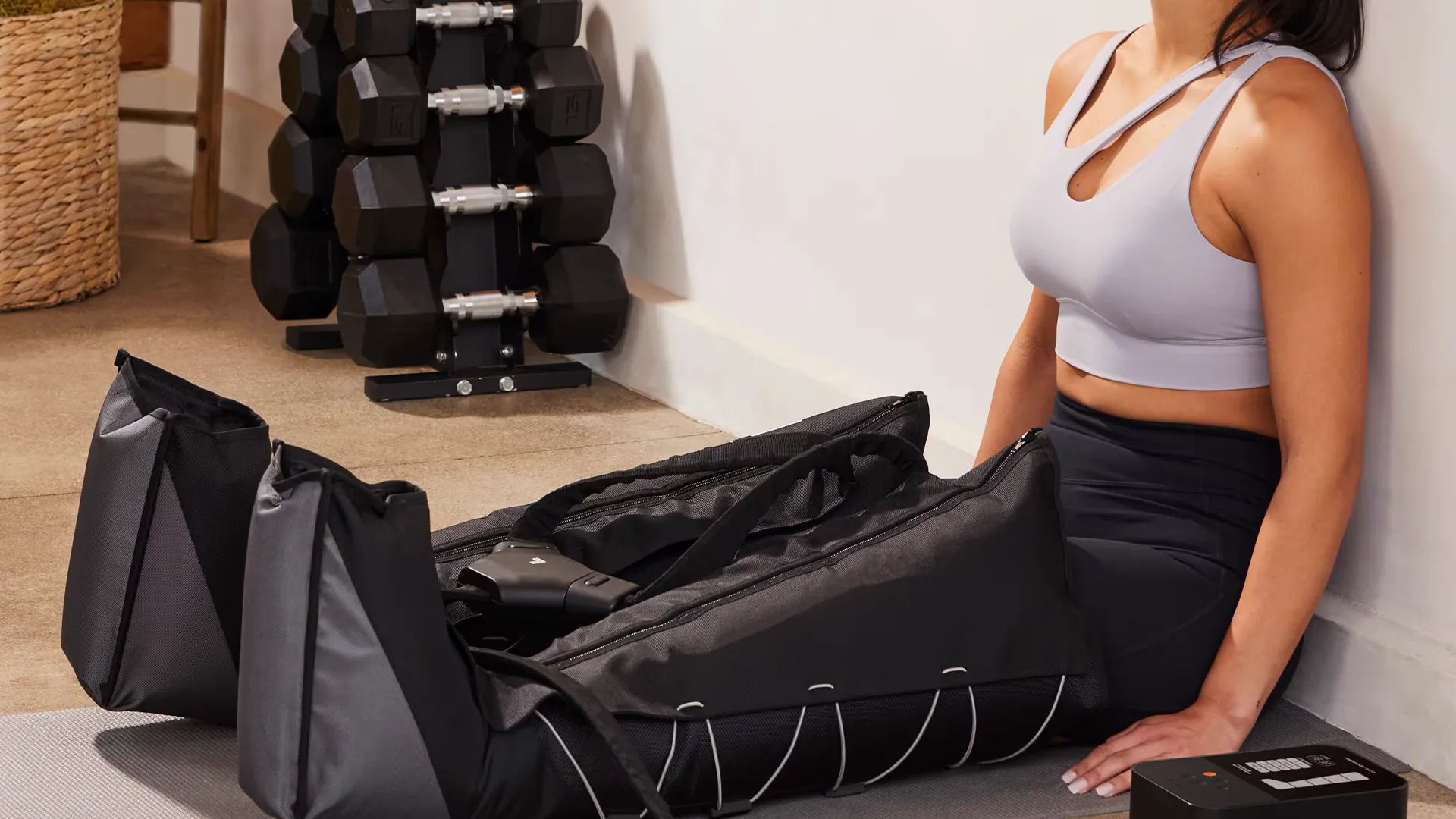
This technology involves inflatable sleeves or boots connected to a pump. These devices use “pulses” of pressure that start at the feet and move upward in segments. This mimicking of the muscle pump is often more powerful than static garments and is highly effective at flushing the limbs after high-volume training sessions. The rhythmic nature of the cycles provides a mechanical massage that further assists in relaxing the hypertonic muscles.

Metabolic Waste Clearance and Oxygenation

A common misconception is that compression therapy is primarily about “flushing lactic acid.” In reality, lactate levels usually return to baseline within an hour of exercise through light movement. The real value of compression lies in the long-term clearance of larger metabolic markers and the improvement of muscle oxygenation during the recovery phase.

Studies using near-infrared spectroscopy have indicated that wearing compression garments post-exercise can lead to a more rapid restoration of tissue oxygen saturation. By keeping the blood moving and preventing stagnation, the muscles are continuously bathed in nutrient-rich blood, which provides the necessary building blocks for protein synthesis and tissue repair.

The Role of Compression in Travel and Long-Term Health

Recovery isn’t just about what happens in the gym; it is also about the time spent between sessions. For athletes who travel frequently, compression therapy is vital. Long periods of immobilization, such as on flights or bus rides, lead to a significant drop in circulation and an increased risk of Deep Vein Thrombosis (DVT).

Compression garments maintain a baseline level of vascular activity during these sedentary periods. By preventing the “heavy leg” syndrome associated with travel, athletes can arrive at their destination ready to perform without the typical 24-hour lag in physical readiness.

Psychological Benefits and the Placebo Effect

The science of recovery is as much about the mind as it is about the body. The “tightness” of compression provides a sense of stability and support that many users find comforting. This psychological assurance can lead to increased confidence in one’s recovery status. Even if a portion of the benefit is attributed to the placebo effect, the result remains a reduction in perceived fatigue and a faster return to training, which are the ultimate goals of any recovery intervention.

Guidelines for Effective Use

To maximize the benefits of compression therapy, timing and fit are critical. For post-workout recovery, it is generally recommended to apply compression as soon as possible after the session.

  • Duration: While static garments can be worn for several hours or even overnight, dynamic compression sessions are typically most effective in 20 to 60-minute bouts.

  • Sizing: A garment that is too loose will provide no physiological benefit, while one that is too tight can actually impede arterial flow. Proper measurement of the ankle and calf circumference is necessary to ensure the pressure falls within the therapeutic range of 15 to 30 mmHg.

Conclusion

Compression therapy is a multi-faceted tool that leverages the laws of physics to enhance human biology. By increasing venous velocity, facilitating lymphatic drainage, and mitigating the inflammatory response, it provides a measurable advantage in the recovery process. Whether through the simple application of a graduated sock or the sophisticated engineering of sequential pneumatic boots, the goal remains the same: to return the body to a state of homeostasis as efficiently as possible.


Frequently Asked Questions

Is it safe to sleep in compression socks for recovery?

Generally, it is safe to sleep in mild to moderate compression socks (15-20 mmHg) if they are graduated. However, individuals with circulatory issues or diabetes should consult a professional first. It is also important to ensure the sock does not bunch up or create a tourniquet effect during sleep, as this can restrict blood flow rather than help it.

Can compression garments be worn during a workout instead of just after?

Yes, many athletes wear compression during exercise to reduce muscle oscillation and improve proprioception (the body’s awareness of its position in space). While the evidence for performance enhancement during a workout is mixed, the benefits for reducing the total “damage” accumulated during the session are well-supported.

How do I know if my compression boots are set to a pressure that is too high?

High pressure is not always better. The goal is to move fluid, not to crush the tissue. If you feel numbness, tingling, or a sharp pain, the pressure is too high. Most recovery protocols find success between 40 and 80 mmHg for dynamic boots, as this is sufficient to overcome venous pressure without causing discomfort.

Does compression therapy help with skin-level bruising?

Since bruising is essentially internal bleeding and fluid accumulation under the skin, compression can help by limiting the spread of the blood and encouraging the lymphatic system to clear the debris. However, it should not be applied so tightly that it causes further pain to the bruised area.

Is there anyone who should avoid compression therapy?

Individuals with acute deep vein thrombosis (DVT), severe peripheral neuropathy, or advanced peripheral arterial disease should avoid compression therapy unless specifically directed by a physician. In these cases, external pressure could potentially dislodge a clot or further restrict already compromised arterial blood flow.

Does the material of the compression garment matter?

The material affects both the durability of the pressure and the comfort of the user. High-quality garments use a blend of synthetic fibers like nylon and spandex that maintain their “elastic memory” over time. Moisture-wicking properties are also essential to prevent skin irritation during long periods of wear.

Can compression therapy replace active recovery like walking or light cycling?

Compression therapy is a “passive” recovery tool. While it is highly effective, it is best used in conjunction with active recovery. Light movement further assists the muscle pump, and combining the two—such as wearing compression socks during a post-workout walk—can create a synergistic effect on circulation.

The relationship between what we eat and how we sleep is a foundational pillar of health that is often overlooked in favor of sleep hygiene or pharmacological aids. While keeping a cool room and avoiding blue light are essential, the biochemical processes that allow the brain to transition into deep, restorative sleep are heavily dependent on the nutrients provided by our diet. Sleep quality is not merely a matter of duration; it is an active state of recovery governed by hormones, neurotransmitters, and the body’s internal clock. By adopting strategic nutrition habits, individuals can stabilize their blood sugar, optimize melatonin production, and reduce the physical disruptions that often lead to fragmented rest.

The Role of Amino Acids and Neurotransmitters

At the molecular level, sleep is regulated by specific chemicals in the brain, many of which are synthesized directly from the proteins we consume. The most well-known of these is tryptophan, an essential amino acid that serves as a precursor to serotonin and melatonin.

  • Tryptophan and Serotonin: Serotonin is a neurotransmitter that promotes relaxation and mood stability. It is converted into melatonin, the hormone responsible for signaling to the body that it is time to sleep. Foods rich in tryptophan, such as turkey, chicken, seeds, and nuts, provide the raw materials for this process.

  • The Carbohydrate Connection: Tryptophan faces competition from other amino acids when trying to cross the blood-brain barrier. Consuming a small amount of complex carbohydrates alongside tryptophan-rich foods triggers a modest insulin release. This insulin directs other amino acids toward the muscles, effectively clearing the way for tryptophan to reach the brain and begin its work.

  • Magnesium as a Relaxant: Often referred to as the relaxation mineral, magnesium plays a crucial role in activating the parasympathetic nervous system. It binds to gamma-aminobutyric acid (GABA) receptors, which are responsible for quieting nerve activity and preparing the mind for sleep.

Blood Sugar Stability and Nocturnal Awakenings

One of the most common causes of middle-of-the-night awakenings is a blood sugar crash. When blood glucose levels drop too low during the night, the body perceives this as a stress event and releases cortisol and adrenaline to mobilize stored sugar. This hormonal spike often jolts the individual awake, making it difficult to return to sleep.

To prevent these disruptions, nutrition habits should focus on maintaining steady glucose levels throughout the evening. High-glycemic meals—those rich in refined sugars and white flour—cause a rapid spike followed by a precipitous drop. Switching to low-glycemic, fiber-rich foods like oats, quinoa, and non-starchy vegetables ensures a slow, sustained release of energy. Furthermore, including a source of healthy fat, such as avocado or olive oil, slows the rate of digestion and provides a stable energy source for the brain during the fasting hours of the night.

The Impact of Timing and Portion Size

The circadian rhythm, our internal 24-hour clock, does not just regulate sleep; it also dictates the efficiency of our digestion. As evening approaches, the body’s ability to process large amounts of fat and protein diminishes. Consuming a heavy, rich meal late at night forces the digestive system to work overtime when it should be resting. This increases core body temperature, which is the exact opposite of what the body needs to enter deep sleep.

Ideally, the largest meal of the day should be consumed several hours before bedtime. This allows the stomach to empty and prevents acid reflux or indigestion from causing discomfort. If hunger occurs close to sleep, a small, nutrient-dense snack is preferable to a full meal. Habits like a “three-hour buffer” between eating and lying down can significantly improve the transition into the early stages of the sleep cycle.

Micronutrients for Sleep Regulation

Beyond amino acids, several vitamins and minerals act as cofactors in the sleep-wake cycle. A deficiency in these can lead to chronic insomnia or poor sleep architecture.

  • Vitamin D: Research has shown that Vitamin D receptors are present in the areas of the brain involved in sleep regulation. Low levels of Vitamin D are frequently associated with shorter sleep duration and increased sleep latency.

  • Vitamin B6: This vitamin is essential for the conversion of tryptophan into serotonin. Without adequate B6, even a high-tryptophan diet may fail to produce enough melatonin for restful sleep.

  • Potassium: Known for its role in muscle function, potassium helps prevent night-time muscle cramps and restless leg syndrome, both of which can cause repeated awakenings.

http://googleusercontent.com/image_collection/image_retrieval/15873928153401211051_0

Hydration and the Sleep Cycle

Hydration is a balancing act when it comes to sleep quality. Dehydration can lead to a dry mouth and nasal passages, which may increase the likelihood of snoring or obstructive sleep apnea. However, excessive fluid intake late in the evening leads to nocturia, the frequent need to urinate during the night.

A smart nutrition habit is to “front-load” hydration, consuming the majority of daily water intake during the morning and afternoon. Reducing fluid intake approximately two hours before bed allows the body to maintain hydration without disrupting the sleep cycle for bathroom trips. It is also worth noting that beverages containing alcohol, while often used as a sleep aid, are actually potent dehydrators that significantly degrade the quality of REM sleep.

The Hidden Disruptors: Caffeine and Alcohol

No discussion of sleep-improving nutrition is complete without addressing the substances that sabotage it. Caffeine is a powerful adenosine antagonist. Adenosine is a chemical that builds up in the brain throughout the day, creating “sleep pressure.” Caffeine blocks these receptors, masking the feeling of tiredness. Because caffeine has a half-life of about five to six hours, a cup of coffee consumed at 4:00 PM may still be stimulating the nervous system at 10:00 PM.

Alcohol is perhaps the most deceptive sleep disruptor. While it acts as a sedative and may help an individual fall asleep faster, it causes a “rebound effect” in the second half of the night. As the liver processes the alcohol, the body experiences a spike in sympathetic nervous system activity, leading to vivid dreams, sweating, and frequent waking. Over time, chronic alcohol use before bed suppresses the restorative stages of sleep that are critical for cognitive function and memory consolidation.

Designing a Sleep-Supporting Evening Routine

Building effective nutrition habits for sleep requires consistency rather than perfection. A successful evening routine might include:

  1. A Balanced Dinner: Prioritize lean protein, complex carbohydrates, and fiber-rich vegetables.

  2. Calming Beverages: Replace caffeinated teas or sodas with herbal infusions like chamomile or lemon balm, which have natural sedative properties.

  3. Mindful Snacking: If a snack is needed, choose a combination of a complex carb and a protein, such as a small bowl of tart cherry juice (a natural source of melatonin) with a few walnuts.

Conclusion

Sleep is a complex biological process that is fueled by the foods we eat. By prioritizing nutrient density, blood sugar stability, and proper timing, we can create an internal environment that invites rest rather than resisting it. Nutrition habits that improve sleep quality do not just lead to better nights; they provide the energy and mental clarity required to make better nutritional choices the following day, creating a positive feedback loop that supports long-term health and vitality.


Frequently Asked Questions

How do tart cherries specifically help with falling asleep?

Tart cherries, particularly the Montmorency variety, are one of the few natural food sources of melatonin. Consuming tart cherry juice or the whole fruit in the evening can help regulate the sleep-wake cycle by providing an exogenous boost of this hormone, which is especially helpful for those dealing with jet lag or shift work.

Does spicy food really cause nightmares or poor sleep?

Spicy foods can interfere with sleep primarily by causing indigestion and heartburn when lying down. Additionally, capsaicin can raise the core body temperature. Since the body must drop its temperature to initiate deep sleep, the thermogenic effect of spicy food can delay sleep onset and lead to more restless, light sleep.

Is it true that kiwi fruit can improve sleep duration?

Yes, some studies suggest that eating two kiwis an hour before bed can improve both the quality and duration of sleep. This is thought to be due to the high antioxidant content and the concentration of serotonin found in the fruit, which may help calm the nervous system.

Can a high-fat diet like Keto affect sleep architecture?

During the initial transition into a high-fat, low-carb diet, many people experience “Keto insomnia” due to changes in electrolyte balance and a temporary increase in cortisol. However, once adapted, some find their sleep improves. Generally, very low carbohydrate intake can reduce the availability of tryptophan in the brain, so timing some carbs in the evening may be beneficial for those on such diets.

How does vitamin B12 deficiency impact rest?

Vitamin B12 is essential for the health of the nervous system and the production of red blood cells. A deficiency can lead to a variety of neurological issues, including disrupted sleep patterns and an increased risk of circadian rhythm disorders. Ensuring adequate B12 through diet or supplementation is vital for maintaining a consistent internal clock.

Should I avoid all liquids before bed to prevent waking up?

Total avoidance isn’t necessary and can lead to dehydration. The goal is to avoid large volumes of fluid. Small sips of water or a small cup of herbal tea are usually fine. The key is to avoid diuretics like caffeine or alcohol in the evening, as these force the kidneys to produce more urine than usual.

Are there specific foods that help with sleep apnea symptoms?

While nutrition cannot cure the structural causes of sleep apnea, an anti-inflammatory diet can help reduce the inflammation in the throat and airways. Avoiding dairy and high-sugar foods in the evening may reduce mucus production and inflammation, potentially making breathing easier during sleep for those with mild symptoms.