Author

Elias Maverick

Browsing

The traditional understanding of aging has long been centered on the inevitable ticking of our biological clock, dictated primarily by the genetic code we inherit from our parents. However, modern dermatology and molecular biology have shifted focus toward a more dynamic influence: environmental epigenetics. While our DNA sequence remains static throughout our lives, the way our bodies read those genes is constantly being modified by the world around us. This phenomenon explains why two individuals with similar genetic backgrounds can age at vastly different rates based on their geography, lifestyle, and environment.

In the context of skin health, epigenetics serves as the bridge between external stressors and cellular function. It is the mechanism by which pollution, ultraviolet (UV) radiation, and climate transform the physical appearance of the skin, leading to premature wrinkles, hyperpigmentation, and a loss of structural integrity.

Understanding the Epigenetic Machinery

To grasp how the environment influences skin aging, one must first understand the primary mechanisms of epigenetic regulation. Epigenetics does not change the “letters” of the DNA alphabet; instead, it adds “punctuation marks” that tell the cell which genes to turn on or off.

DNA Methylation

DNA methylation is perhaps the most studied epigenetic mechanism. It involves the addition of a methyl group to the DNA molecule, typically acting as a “silencer.” When a gene promoter is methylated, the gene is usually turned off. In aging skin, the patterns of DNA methylation shift significantly. Chronic exposure to environmental hazards can cause the “silencing” of genes responsible for collagen production or antioxidant defense, while simultaneously “awakening” genes that promote inflammation.

Histone Modification

DNA is wrapped around proteins called histones. If the DNA is wrapped tightly, the cellular machinery cannot access the genes. Environmental factors can trigger chemical changes to these histones, causing them to loosen or tighten their grip on the DNA. This determines how efficiently the skin can repair itself after damage.

Non-coding RNA and MicroRNA

MicroRNAs are small molecules that do not code for proteins but instead regulate the stability of other RNA molecules. They act as a fine-tuning system for the skin. Pollution and UV rays can alter the expression of microRNAs that control the skin barrier function, leading to increased sensitivity and dryness.

The Primary Drivers of Epigenetic Skin Aging

The skin is the body’s primary interface with the external world, making it the most vulnerable organ to epigenetic shifts. Several key environmental factors act as catalysts for these changes.

Ultraviolet Radiation and the Photoaging Signature

UV radiation is the most aggressive environmental factor affecting skin longevity. Beyond immediate DNA damage (mutations), UV rays induce long-term epigenetic changes. Research shows that UV exposure leads to specific DNA methylation patterns that inhibit the production of Type I Collagen. This creates a state of chronic “molecular scarring,” where the skin loses its ability to bounce back, resulting in deep furrows and leathery textures.

Ambient Air Pollution and Particulate Matter

In urban environments, particulate matter (PM), volatile organic compounds (COVs), and polycyclic aromatic hydrocarbons (PAHs) penetrate the skin barrier. These pollutants trigger oxidative stress, which in turn alters the epigenetic landscape of skin cells. Studies have indicated that individuals living in highly polluted areas show higher levels of site-specific DNA methylation associated with dark spots (lentigines) and extrinsic aging.

The Role of Diet and Nutritional Epigenetics

What we consume provides the raw materials for epigenetic modifications. Nutrients like folate, Vitamin B12, and methionine are essential for the methylation process. A diet lacking in these “methyl donors,” combined with high sugar intake (which leads to glycation), can leave the skin’s epigenetic repair mechanisms underfunded. Conversely, certain polyphenols found in green tea or resveratrol have been shown to “remodel” epigenetic marks, potentially slowing the degradation of the extracellular matrix.

The Impact on Skin Architecture

When environmental stressors trigger these epigenetic shifts, the physical structure of the skin undergoes a profound transformation. These changes are not merely superficial; they represent a fundamental breakdown of cellular communication.

  • Collagen and Elastin Degradation: Epigenetic signals increase the production of Matrix Metalloproteinases (MMPs). These are enzymes that effectively “chew up” the collagen and elastin fibers that keep skin firm.

  • Barrier Dysfunction: Changes in the methylation of genes responsible for filaggrin and ceramide synthesis weaken the skin’s moisture barrier. This results in Transepidermal Water Loss (TEWL), leaving the skin looking dull and dehydrated.

  • Inflammaging: This term describes a state of chronic, low-grade inflammation driven by epigenetic reprogramming. When the skin is constantly “on alert” due to pollution or UV stress, it produces pro-inflammatory cytokines that accelerate the breakdown of healthy tissue.

  • Melanocyte Dysregulation: Epigenetic modifications can cause certain areas of the skin to overproduce melanin while others underproduce it, leading to the uneven skin tone and “age spots” characteristic of environmental damage.

Reversibility and the Future of Epigenetic Skincare

The most exciting aspect of epigenetics is that, unlike genetic mutations, epigenetic marks are potentially reversible. This has birthed a new era of “epigenetic cosmetics” and therapeutic interventions designed to “reset” the skin’s cellular memory.

Targeted Topical Ingredients

Newer formulations are moving beyond simple hydration. Ingredients such as hexapeptides, seaweed extracts, and stable Vitamin C derivatives are being studied for their ability to influence DNA methyltransferase activity. By encouraging the “re-awakening” of longevity genes, these ingredients aim to restore the skin’s youthful gene expression profile.

Lifestyle as a Genetic Switch

Because epigenetics is responsive to behavior, lifestyle choices act as a daily “edit” to our genetic expression. Regular exercise, adequate sleep (which regulates circadian genes), and stress management have all been shown to promote a “younger” epigenetic profile. Reducing the systemic load of oxidative stress allows the skin’s natural repair enzymes to function without interference.

Conclusion

Environmental epigenetics has redefined our understanding of skin aging. We are no longer solely at the mercy of our heritage; rather, our skin is a living record of our environment and choices. By understanding the molecular mechanisms of DNA methylation and histone modification, we can better protect the skin from the invisible threats of pollution and radiation. The future of skincare lies not just in masking the signs of aging, but in correcting the epigenetic signals that cause them in the first place.

Frequently Asked Questions

How does the “epigenetic clock” differ from chronological age?

Chronological age is simply the number of years you have been alive. The epigenetic clock, often measured by DNA methylation levels, reflects the biological age of your cells. If you have had high environmental exposure without protection, your skin’s epigenetic age may be significantly higher than your actual age.

Can epigenetic damage to the skin be completely erased?

While “completely erased” is a strong term, epigenetic marks are plastic and responsive. Through consistent use of antioxidants, UV protection, and potentially “epigenetic-modulating” ingredients, you can shift the gene expression patterns back toward a more youthful state, effectively slowing or partially reversing visible aging.

Do different climates affect skin epigenetics differently?

Yes. High-altitude climates with intense UV exposure primarily trigger epigenetic changes related to DNA repair and melanin. In contrast, cold, dry climates or highly industrialised urban areas may trigger changes related to barrier function and chronic inflammation.

Are children more susceptible to environmental epigenetic shifts?

The epigenome is most vulnerable during periods of rapid development. However, skin epigenetics are cumulative. Exposures during childhood and adolescence can set a “baseline” for how the skin will age decades later, which is why early sun protection is so critical.

Is there a specific test to measure skin’s epigenetic age?

While commercial “biological age” tests exist (often using saliva or blood), specific dermatological epigenetic testing is currently more common in research settings than in standard clinical practice. However, this technology is rapidly migrating toward consumer skincare diagnostics.

Does sleep deprivation cause epigenetic changes in the skin?

Yes. Sleep regulates the circadian rhythm genes within skin cells. Chronic sleep deprivation can lead to epigenetic “mismatching,” where the skin fails to switch from its daytime “protection mode” to its nighttime “repair mode,” accelerating the appearance of aging.

Can emotional stress impact skin aging through epigenetics?

The brain-skin axis is well-documented. High levels of cortisol (the stress hormone) can influence DNA methylation patterns in skin cells, leading to a breakdown in the skin barrier and increased sensitivity, similar to the effects of physical environmental pollutants.

In Singapore’s fast-paced fitness culture, enthusiasm often leads many to train harder instead of smarter. Yet, behind every sustainable transformation is a well-managed recovery strategy. A qualified personal gym trainer Singapore understands that true progress isn’t just built during workouts, but during recovery. Through scientific programming and personalised guidance, they help clients avoid overtraining, reduce injury risks, and achieve consistent performance improvements.

Understanding Overtraining: When Too Much Becomes Counterproductive

Overtraining occurs when the body doesn’t have adequate time to recover between sessions. While discipline is vital, pushing beyond recovery capacity can trigger fatigue, hormonal imbalance, and even mental burnout. In Singapore, where clients often balance long work hours with intense gym sessions, this becomes a common challenge.

A professional trainer assesses each individual’s workload, sleep quality, stress levels, and nutrition before crafting training plans. This prevents the common mistake of adding intensity without balancing rest and adaptation phases.

How Recovery Shapes Long-Term Fitness

Recovery is not passive; it’s a physiological process where the body repairs muscle tissue, replenishes energy stores, and strengthens the nervous system. Trainers incorporate structured rest days, deload weeks, and varied training intensities to enhance recovery efficiency.

A well-designed recovery plan can:

  • Improve strength and endurance through supercompensation

  • Enhance sleep quality and mood stability

  • Reduce cortisol levels and inflammation

  • Prevent repetitive strain injuries

By managing both training load and recovery, personal trainers ensure steady progress instead of erratic peaks and crashes.

Periodisation and Load Management: The Secret Weapon

Professional trainers apply scientific principles like periodisation, where training is broken into cycles with specific goals such as endurance, strength, and power. Each cycle has recovery phases built in to allow adaptation.

For instance, a four-week program might include three progressive weeks followed by one lighter week for restoration. This approach allows muscles and connective tissues to recover fully while maintaining consistent motivation.

Active Recovery Techniques That Boost Results

Unlike complete rest, active recovery keeps blood flowing to help remove metabolic waste and accelerate tissue repair. Trainers in Singapore often guide clients through:

  • Low-intensity cardio (e.g., walking, swimming, cycling)

  • Stretching and foam rolling routines

  • Mobility drills targeting tight joints

  • Gentle yoga or pilates sessions

Active recovery also helps clients stay consistent with movement, avoiding the slump that sometimes follows total rest days.

Nutrition and Hydration: The Overlooked Recovery Partners

Recovery is incomplete without proper nutrition. A certified trainer ensures clients consume adequate protein for muscle repair, carbohydrates for glycogen restoration, and micronutrients for cellular recovery. Hydration plays an equally vital role, especially in Singapore’s humid climate. Trainers educate clients about electrolyte balance and post-workout hydration habits to prevent cramping and fatigue.

Sleep: The Ultimate Recovery Tool

Sleep quality directly impacts muscle repair, growth hormone production, and mental recovery. Personal trainers often advise clients on sleep hygiene practices such as consistent bedtimes, reduced screen exposure, and controlled caffeine intake. Many successful athletes treat sleep as part of their training, not an afterthought.

Monitoring Recovery with Data and Feedback

Modern fitness coaching involves tracking more than just weights lifted. Trainers use wearable technology and client feedback to measure:

  • Heart rate variability (HRV)

  • Resting heart rate

  • Training readiness scores

  • Subjective fatigue and soreness levels

This data helps adjust session intensity dynamically. For example, if HRV drops significantly, the trainer may switch a heavy lifting session to light mobility work, preventing unnecessary stress on the body.

Injury Prevention Through Smart Training Design

An experienced personal trainer in Singapore doesn’t just react to injuries; they prevent them. They teach proper biomechanics, warm-up techniques, and exercise modifications suited to individual needs. Small corrective movements can eliminate muscular imbalances that often lead to chronic pain.

Common preventive strategies include:

  • Strengthening stabiliser muscles (e.g., rotator cuff, glutes, core)

  • Regular mobility screening to identify weak links

  • Adjusting exercise form based on fatigue feedback

This proactive approach ensures clients can train longer and stronger without setbacks.

The Psychological Side of Recovery

Mental recovery is as critical as physical rest. Burnout often arises from constant self-pressure and unrealistic goals. Trainers support clients through mental resets, mindset coaching, and achievable milestones. Building discipline around rest takes as much commitment as the workouts themselves.

A supportive trainer-client relationship also creates accountability, helping individuals respect recovery days instead of feeling guilty about them.

Integrating TFX’s Recovery Philosophy

Modern gyms such as TFX emphasise recovery as a cornerstone of holistic fitness. Their trainers integrate advanced tools like recovery tracking apps, sports massage sessions, and smart strength equipment to tailor each client’s journey. Whether it’s an office professional or athlete, TFX trainers adapt recovery methods to match energy levels, sleep patterns, and lifestyle demands.

Redefining Progress Through Recovery

The misconception that harder training equals better results is fading. In Singapore, where lifestyle stress and humidity challenge the body’s resilience, the role of recovery becomes even more significant. By following structured recovery protocols under the supervision of a certified trainer, clients achieve better consistency, stronger immunity, and sustainable growth.

FAQs

1. How can I tell if I’m overtraining?
Common signs include persistent fatigue, loss of motivation, irritability, and reduced performance. A trainer helps identify these early and adjusts your plan accordingly.

2. How often should I rest between training sessions?
This varies by intensity and goal. Strength sessions typically require 48 hours between the same muscle groups, while lighter recovery activities can be done daily.

3. Can active recovery still improve my fitness?
Yes, active recovery maintains circulation and flexibility, helping your body heal faster and return stronger for your next workout.

4. What’s the best way to improve recovery at home?
Focus on sleep, hydration, mobility stretches, and balanced meals rich in antioxidants and protein.

5. Do professional athletes in Singapore use personal gym trainers for recovery?
Absolutely. Many athletes collaborate with trainers who specialise in performance recovery, mobility correction, and stress reduction to stay at their peak year-round.

In Singapore’s fast-paced, technology-driven environment, it is common to see people spending long hours hunched over desks, laptops, or mobile devices. This habit often leads to postural kyphosis, a condition characterised by rounded shoulders and a forward head posture. Over time, it can result in chronic stiffness, back pain, and even breathing difficulties. The yoga wheel, a simple yet powerful prop, offers a targeted way to address this issue through mindful stretching and strengthening routines that restore spinal alignment and mobility.

Understanding Postural Kyphosis

Postural kyphosis develops from repeated slouching, weak back muscles, and tight chest muscles. When you sit or stand with rounded shoulders, the thoracic spine (mid-back) curves excessively outward, disrupting the natural alignment of the spine. Over time, this leads to:

  • Tightness in the chest and shoulder area

  • Weakness in the upper and middle back muscles

  • Limited range of motion in the thoracic spine

  • Neck and shoulder discomfort

In Singapore, where many professionals spend more than eight hours daily seated at workstations, these symptoms are becoming increasingly common, even among young adults.

Why the Yoga Wheel is Effective for Postural Correction

The yoga wheel provides the perfect balance between support and mobility. Its cylindrical shape fits the natural curve of the spine, allowing gentle decompression of the vertebrae while releasing tight fascia along the back. Unlike static stretching, the rolling motion engages both the front and back body, creating a dynamic balance between flexibility and strength.

Key benefits include:

  • Improves thoracic extension (upper back mobility)

  • Opens the chest and shoulders safely

  • Strengthens stabilising muscles around the spine

  • Promotes awareness of upright posture

  • Relieves tension from prolonged sitting

The Biomechanics of the Yoga Wheel in Kyphosis Correction

When used correctly, the yoga wheel creates a traction effect that realigns the spine naturally. As you roll along the wheel, it lifts and expands the chest while gently stretching the tight fascia of the upper back. This action not only releases physical tension but also stimulates the muscles responsible for maintaining good posture.

Additionally, the yoga wheel’s circular shape supports gradual spinal extension, helping reverse the effects of chronic rounding. By combining rolling with controlled breathing, practitioners can train the body to adopt a neutral spinal position.

Preparing the Body for Wheel Practice

Before beginning a corrective yoga wheel session, it is essential to warm up the body. A few minutes of gentle shoulder rolls, cat-cow stretches, and neck movements can help prepare the spine. Awareness is key. The aim is not to force deep backbends but to open tight areas progressively.

Tips before starting:

  • Wear comfortable, non-restrictive clothing.

  • Use a mat to prevent slipping.

  • Move slowly and breathe deeply.

  • Focus on control, not speed.

A Step-by-Step Yoga Wheel Protocol for Rounded Shoulders

Below is a guided sequence that targets the main areas affected by kyphosis—upper back, shoulders, and chest.

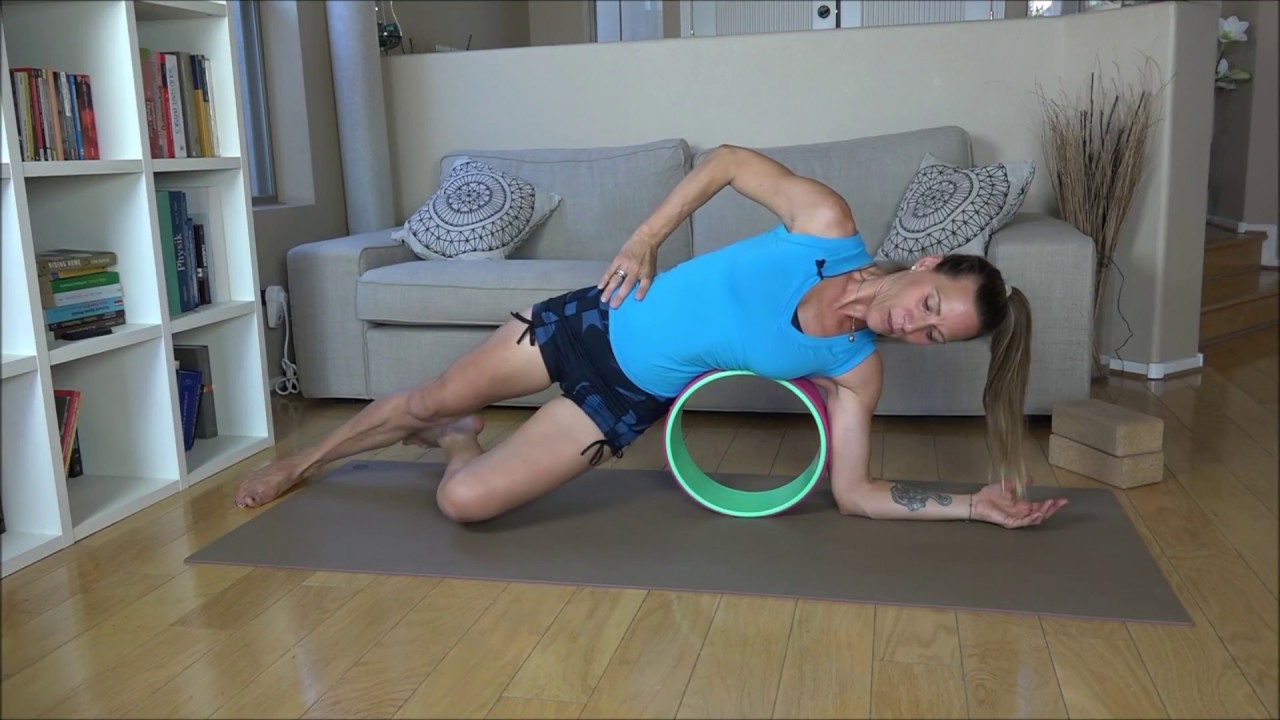
1. Wheel-Assisted Thoracic Roll

Lie back with the wheel positioned under your shoulder blades. Keep your knees bent and feet flat. Roll slowly up and down along the upper spine. This movement massages tight muscles and increases thoracic mobility.

Focus: Keep your neck supported and breathe deeply into your chest. Spend one to two minutes rolling gently.

2. Supported Heart Opener

Sit upright with the wheel behind your back. Lean back slowly, allowing your arms to open wide. The chest lifts naturally while the shoulders move back.

Benefits:

  • Counteracts hunching and promotes spinal extension.

  • Expands the ribcage, improving breathing capacity.

Hold for 30–60 seconds, breathing steadily.

3. Shoulder Flexibility Drill

Sit with the wheel in front of you. Place your hands on it shoulder-width apart. Roll the wheel forward until your arms are extended and your forehead reaches the mat.

Focus: Keep your hips above your knees to stretch the shoulders deeply without compressing the lower back.

4. Reverse Plank with Wheel Support

Place your hands on the floor behind your hips and the wheel under your ankles. Lift your body into a reverse plank. Engage your glutes and open the chest toward the ceiling.

Purpose: Strengthens the posterior chain and counterbalances tight front-body muscles.

5. Prone Chest Lift with Wheel

Lie face down with the wheel under your chest. As you inhale, lift your chest and arms slightly, engaging your shoulder blades. This strengthens the rhomboids and mid-back muscles that support good posture.

Tip: Keep movements controlled to prevent lower back strain.

6. Seated Posture Reinforcement

Sit tall on the mat, hold the wheel in front of your chest, and press your palms gently into it while engaging the core. This trains awareness of an upright position.

Repeat the sequence two to three times weekly to gradually improve posture and reduce tightness.

Strengthening the Back for Lasting Results

Stretching alone will not correct kyphosis completely. Strengthening the supporting muscles ensures long-term improvement. You can integrate these yoga wheel exercises into your regular routine:

  • Wheel Row Pulls: Sit upright and hold the wheel in front. Pull it toward your chest to activate the upper back muscles.

  • Wall Press Extensions: Stand facing a wall, press the wheel against it with your hands, and push gently to engage your shoulders.

  • Rolling Core Activations: Lie back with the wheel under your lower back and perform small crunches to build stability.

These exercises tone the muscles that maintain alignment, ensuring your posture remains upright throughout the day.

Everyday Habits that Support Posture Correction

Using the yoga wheel regularly is only one part of the solution. Daily habits also play a major role in preventing the recurrence of rounded shoulders.

Practical adjustments include:

  • Ergonomic Work Setup: Keep your screen at eye level to avoid slouching.

  • Take Movement Breaks: Stand, stretch, or roll your shoulders every 30–45 minutes.

  • Mindful Sitting: Avoid crossing legs or leaning forward excessively.

  • Breathing Awareness: Deep diaphragmatic breathing naturally encourages upright posture.

These small changes, when combined with yoga wheel practice, create sustainable results.

The Mind-Body Connection in Posture

Posture affects more than appearance; it influences mood, confidence, and energy levels. Rounded shoulders often correspond with stress, fatigue, or emotional tension. As the chest opens through yoga wheel exercises, practitioners often report feeling lighter and more centred.

Breathing also becomes more efficient as the diaphragm gains space. The emotional release that accompanies physical alignment fosters a sense of empowerment and calm.

Those who practise regularly at Yoga Edition often find that postural improvement translates into greater focus, better breathing control, and reduced fatigue in daily life.

Common Mistakes to Avoid

Even with the right prop, improper technique can slow progress or cause strain. Keep these points in mind:

  • Avoid forcing deep backbends if the spine feels tight.

  • Keep the movements slow and supported.

  • Do not roll directly on the neck or lower back.

  • Always align the wheel along the centre of your spine.

  • Maintain awareness of your core engagement to protect the lower back.

Progress Tracking and Motivation

Postural correction takes time, but consistent practice brings visible results. Photograph your posture monthly or track flexibility improvements in your shoulders and spine. Gradual improvement is more sustainable than rapid change.

Celebrate small milestones, such as being able to sit upright comfortably or hold a chest opener longer without discomfort. This positive reinforcement keeps you committed to your journey toward better posture.

FAQs

Q1. How long does it take to see results from yoga wheel practice?
Noticeable improvements in posture and flexibility can appear within four to six weeks of consistent practice, though long-term alignment requires ongoing maintenance.

Q2. Can the yoga wheel completely reverse kyphosis?
For mild postural kyphosis, yes, it can significantly improve alignment and mobility. For structural kyphosis, it can help relieve pain and enhance flexibility, but full correction may require professional supervision.

Q3. Should I combine yoga wheel exercises with strength training?
Yes, pairing wheel stretches with strength exercises, particularly for the back and core, enhances stability and accelerates progress.

Q4. Can office workers use the yoga wheel during breaks?
Absolutely. Even five minutes of rolling or chest opening can ease stiffness and improve posture awareness throughout the day.

Q5. Is the yoga wheel suitable for older adults with kyphosis?
Yes, provided they move slowly and use sufficient support. The wheel’s gentle pressure helps improve mobility without causing strain.

The yoga wheel is not just a prop; it is a posture companion for modern life. By incorporating it into regular practice, anyone struggling with rounded shoulders or stiffness from sedentary habits can restore their natural alignment, move freely, and breathe with greater ease.

For fitness enthusiasts in Singapore, an indoor spin class offers a high-intensity, full-body workout that delivers results quickly. Whether your goal is weight loss, cardiovascular endurance, or strength building, the setup of your spin bike plays a critical role in achieving success. Yet, many riders overlook the importance of correct bike adjustments, leading to discomfort, suboptimal performance, and even injury. Mastering your bike setup is not just about feeling comfortable—it is essential for riding efficiently and safely.

Why Proper Bike Setup Matters

Spin bikes are highly adjustable to accommodate different body types and fitness levels. A poorly set-up bike can result in strained knees, aching backs, sore wrists, and reduced workout effectiveness. On the other hand, a properly adjusted bike allows for:

  • Greater power output with less effort
  • Reduced risk of injury
  • Enhanced comfort and endurance during longer sessions
  • More efficient calorie burning

Understanding the intricacies of your bike setup transforms your indoor cycling experience from a struggle into a smooth, empowering ride.

Key Bike Components You Must Adjust

Before every ride, especially if you are not using your regular bike, take a few minutes to adjust these core components:

  1. Seat Height

The height of your seat (saddle) is the foundation of your bike setup. If it is too low or too high, it can cause knee strain or hip discomfort.

How to adjust:

  • Stand next to your bike and align the seat roughly with your hip bone.
  • When seated, place your heel on the pedal and rotate it to the bottom (6 o’clock position). Your leg should be fully extended without locking your knee.
  • When pedalling normally (ball of foot on the pedal), your knee should have a slight 25–30 degree bend at the bottom of the stroke.

A correct seat height promotes better force generation and reduces wear on your joints.

  1. Fore-Aft Seat Position

The fore-aft position refers to how far forward or backward the seat is set. Incorrect positioning can cause hip, back, or knee issues.

How to adjust:

  • Sit on the bike with your pedals at 3 and 9 o’clock positions (horizontal).
  • Check that your front knee is vertically aligned with the middle of the pedal axle.
  • Adjust the seat forward or backward until this alignment is achieved.

Fine-tuning this setting ensures a balanced centre of gravity and a more efficient ride.

  1. Handlebar Height

While some spin veterans prefer lower handlebars for a more aggressive position, most riders—especially beginners and those focusing on comfort—benefit from slightly higher handlebars.

How to adjust:

  • Start with the handlebars level with or slightly above the seat height.
  • Raise them higher if you have lower back issues or are new to spinning.
  • Your arms should have a slight bend, and your shoulders should stay relaxed, not hunched.

Proper handlebar height prevents neck, shoulder, and lower back strain during your ride.

  1. Handlebar Fore-Aft Adjustment

Some bikes allow you to move the handlebars forward and backward. Adjusting this can further refine your fit, especially if you have longer or shorter arms than average.

How to adjust:

  • With your hands on the handlebars and elbows slightly bent, your shoulders should be aligned over your hips.
  • If you feel overreached or cramped, adjust accordingly.

Attention to detail in the upper body setup can significantly improve comfort and efficiency.

Setting Up for Specific Goals

The ideal setup can slightly vary depending on your focus during the indoor spin class. Here’s how to tweak your bike for different training objectives:

For Strength Training:

  • Slightly higher resistance settings
  • Seat slightly lower to engage glutes and quads more intensely during climbs

For Endurance and Long Rides:

  • Focus on comfort: raise handlebars a little higher
  • Balanced seat position to allow sustained pedalling with minimal fatigue

For Speed and Intervals:

  • Aerodynamic posture with a lower handlebar (only if you have good core stability)
  • Optimal seat height for efficient, high-cadence pedalling

Adjustments based on goals ensure that each ride is tailored to maximise results.

Common Bike Setup Mistakes (and How to Avoid Them)

Even seasoned riders sometimes make small errors that compound into big problems over time. Be mindful to avoid:

  • Seat Too Low: Leads to excessive knee flexion and strain.
  • Seat Too High: Causes rocking hips, lower back pain, and reduced pedalling efficiency.
  • Handlebars Too Low: Strains the lower back, especially if core strength is insufficient.
  • Poor Cleat/Pedal Alignment: Misaligned cleats can cause ankle, knee, or hip discomfort. Make sure shoes are properly centred.

Taking just a few minutes before class to verify your settings can save months of pain and frustration.

Understanding Bike Resistance Settings

Bike resistance controls how hard you need to push the pedals. Knowing how to manipulate resistance correctly is crucial for safe and effective workouts.

  • Low Resistance: Good for warm-ups, high-cadence drills, or active recovery.
  • Moderate Resistance: Used for steady-state rides and aerobic training.
  • High Resistance: Essential for strength training, climbs, and anaerobic intervals.

Always listen to your body when adjusting resistance. If you lose control over your pedal stroke, it is a sign the resistance is too low or too high.

Bike Setup Tips for Shorter or Taller Riders

In a diverse country like Singapore, spin studios accommodate riders of all heights. Here are specific tips:

  • Shorter Riders: Choose bikes that allow greater fore-aft handlebar adjustment to prevent overreaching. Seat height may need micro-adjustments to avoid knee hyperextension.
  • Taller Riders: Prioritise bikes with extended seat post and handlebar adjustments. Ensure that you maintain proper alignment without feeling cramped.

Communicate with studio staff if you have special setup needs—they can often recommend particular bikes or minor customisations.

Maintenance: Keeping Your Bike in Optimal Condition

Especially if you are spinning regularly, equipment maintenance matters. At facilities like TFX, professional maintenance ensures bikes stay in top condition, but personal responsibility goes a long way too.

Basic maintenance tips:

  • Wipe down the bike after every ride to prevent sweat damage.
  • Check pedals and handlebars for tightness weekly.
  • Alert staff if you notice loose bolts, resistance issues, or unusual noises.

A well-maintained bike ensures consistency and safety, session after session.

Importance of Warm-Up and Cool-Down on a Properly Set Bike

Even with a perfect setup, skipping warm-up or cool-down can hinder performance and recovery.

  • Warm-Up: Spend 5–10 minutes gradually increasing resistance and cadence. Focus on mobility and breathing control.
  • Cool-Down: Slowly reduce intensity, stretch major muscle groups (quads, hamstrings, calves), and hydrate.

Bookending your spin sessions with care prepares your body for peak performance and speeds up post-exercise recovery.

Listening to Your Body: Fine-Tuning Over Time

Your ideal setup may evolve as your fitness improves or if you experience any changes such as injury, flexibility gains, or shifts in riding goals. Make adjustments accordingly:

  • Feeling pressure in the knees? Reassess seat height.
  • Straining your shoulders? Revisit handlebar setup.
  • Fatiguing too fast? Check resistance strategy.

Pay attention to how you feel during and after each ride—your body provides feedback if you listen closely.

Conclusion: Perfect Setup, Perfect Ride

An indoor spin class is one of the most efficient workouts available, but only when your bike is perfectly set to your body and goals. Investing a few minutes before each session to ensure optimal bike adjustments can profoundly enhance your performance, comfort, and results.

Ride smart, ride strong, and remember: a proper setup today sets you up for success tomorrow.

Starting a family can be an exciting chapter in one’s life, but for many couples, it can also come with challenges. If you’re facing difficulties conceiving, you’re not alone. Many individuals and couples turn to fertility treatments like In Vitro Fertilisation (IVF) to help them achieve their dream of parenthood. This blog post will guide you through the IVF process and what you need to know if you’re considering this route in Thailand.

What is IVF?

IVF is a complex series of procedures used to assist with conception. It involves retrieving eggs from a woman’s ovaries, fertilising them with sperm in a lab, and then transferring the resulting embryo(s) into the uterus. IVF can be a viable option for those with various fertility issues, such as blocked fallopian tubes, male infertility, or unexplained infertility.

The IVF Process

  1. Ovarian Stimulation

The first step in IVF involves stimulating the ovaries to produce multiple eggs. This is typically achieved through hormone injections administered over a week or two. Regular monitoring via ultrasound and blood tests ensures the eggs are developing correctly.

  1. Egg Retrieval

Once the eggs are mature, they are retrieved from the ovaries using a minor surgical procedure. This is usually done under sedation or anaesthesia to ensure comfort.

  1. Fertilisation

In the lab, the retrieved eggs are combined with sperm. Fertilisation can occur naturally or through Intracytoplasmic Sperm Injection (ICSI), where a single sperm is injected directly into an egg. The fertilised eggs are then monitored for several days.

  1. Embryo Transfer

The best quality embryo(s) are selected for transfer into the uterus. This is a simple procedure that doesn’t require anaesthesia. Any remaining healthy embryos can be frozen for future use.

  1. Monitoring and Pregnancy Test

After the transfer, you’ll need to wait about two weeks before taking a pregnancy test. During this period, you may be advised to take progesterone supplements to support the uterine lining.

IVF in Thailand

Thailand has become a popular destination for fertility treatments, offering advanced medical facilities and highly skilled specialists. The country’s fertility centres are known for their cutting-edge technology and personalised care, making it an attractive option for both locals and international patients.

One key benefit of opting for IVF in Thailand is the cost-effectiveness. The expenses associated with fertility treatments here are often lower compared to Western countries, without compromising on quality. Additionally, the warm climate and serene environment can provide a comforting backdrop to your fertility journey.

If you’re considering IVF, a Bangkok fertility center might be worth exploring for its state-of-the-art facilities and comprehensive care.

Choosing to undergo IVF is a significant decision, and it’s crucial to be well-informed about the process and what it entails. Whether you’re a local resident or considering travelling to Thailand for treatment, understanding the IVF journey can help you make the best choices for your path to parenthood. Remember, support and guidance are available throughout this process, ensuring you’re not alone on this important journey.

Aerial yoga is gaining immense popularity as a modern fusion of fitness and mindfulness. Unlike traditional yoga, this practice incorporates a suspended fabric hammock that supports the body in mid-air, allowing for deeper stretches, improved flexibility, and a refreshing new take on yoga postures. Whether you’re looking to enhance your strength, boost mental clarity, or simply explore a fun and engaging fitness routine, aerial yoga offers a unique experience that caters to all levels.

For those eager to immerse themselves in this practice, aerial yoga classes provide the perfect introduction, offering expert guidance and a welcoming atmosphere to help students build confidence and skill.

Understanding Aerial Yoga: More Than Just a Workout

Aerial yoga combines elements of traditional yoga, Pilates, and aerial acrobatics to create a comprehensive workout that enhances physical and mental well-being. The hammock, made from high-quality fabric, acts as a prop to assist with balance, alignment, and deeper poses. Unlike ground-based yoga, aerial yoga reduces pressure on joints, making it a great option for individuals recovering from injuries or those seeking a low-impact workout.

How Aerial Yoga Works

  • Gravity-Assisted Movements: The hammock allows practitioners to move freely in various planes, assisting in inversions and enhancing spinal decompression.
  • Strength and Endurance: Engaging in aerial yoga builds core strength, improves muscle tone, and enhances endurance over time.
  • Mind-Body Connection: The practice encourages mindfulness, breath awareness, and mental clarity through deep, focused movements.

The Physical and Mental Benefits of Aerial Yoga

  1. Enhanced Flexibility

One of the most significant advantages of aerial yoga is its ability to improve flexibility. The hammock allows for deeper stretches that might be challenging in traditional yoga. Over time, this increased range of motion helps prevent injuries and enhances overall mobility.

  1. Core and Upper Body Strength

Suspension in the air requires a strong engagement of the core muscles. Every movement in aerial yoga, from simple stretches to advanced poses, activates the abdominal and upper body muscles, leading to better posture and stability.

  1. Better Spinal Health

Back pain and spinal compression are common issues in today’s sedentary lifestyle. Aerial yoga promotes spinal decompression through controlled inversions, relieving tension and improving spinal alignment.

  1. Boosts Mental Clarity and Reduces Stress

Like traditional yoga, aerial yoga incorporates breathing techniques that help calm the mind and reduce stress levels. The feeling of weightlessness and the rhythmic flow of movements foster relaxation and improve mental clarity.

  1. Improves Blood Circulation

Inversions in aerial yoga stimulate blood flow to the brain, improving oxygen circulation and promoting cognitive function. Enhanced circulation also aids in detoxification and overall cardiovascular health.

Key Poses in Aerial Yoga

Aerial yoga consists of a variety of poses that cater to different skill levels. Some of the most popular ones include:

  • Aerial Downward Dog: A variation of the traditional pose that provides deep shoulder and hamstring stretches while being fully supported by the hammock.
  • Floating Savasana: A deeply relaxing pose where the practitioner lies in the hammock, feeling a sense of weightlessness and calmness.
  • Inverted Pigeon Pose: Helps open the hips and stretch the glutes while being fully supported in an inversion.
  • Aerial Warrior Pose: Enhances balance and strength, engaging the lower body and core.
  • Cocoon Pose: Ideal for deep relaxation and meditation at the end of a session.

Preparing for Your First Aerial Yoga Class

Stepping into your first aerial yoga session can be both exciting and intimidating. Here are some essential tips to help you prepare:

What to Wear and Bring

  • Form-Fitting Clothes: Loose clothing may get caught in the hammock, so opt for comfortable, fitted leggings and a moisture-wicking top.
  • No Jewelry or Zippers: These can damage the fabric or cause discomfort during movement.
  • Water Bottle: Staying hydrated is key, especially for a practice that engages the entire body.

Mindset and Approach

  • Start with an Open Mind: Aerial yoga may feel unfamiliar at first, but with practice, it becomes more intuitive.
  • Trust the Hammock: The fabric is designed to support weight, so learning to trust it will help ease into movements.
  • Communicate with Your Instructor: Don’t hesitate to ask questions or request modifications to suit your comfort level.

Finding the Right Studio

Choosing the right studio is essential for a safe and fulfilling aerial yoga experience. A good studio should offer:

  • Certified Instructors: Experienced professionals who ensure safety and proper technique.
  • Quality Equipment: Strong, well-maintained hammocks and secure rigging systems.
  • Beginner-Friendly Classes: Sessions tailored for all skill levels, with gradual progression in difficulty.

For those looking to get started, Yoga Edition provides a well-structured and engaging aerial yoga environment that meets the highest standards of safety and instruction.

Why Aerial Yoga is More Than Just a Trend

Aerial yoga is more than just a fitness trend—it’s an empowering practice that combines movement, mindfulness, and strength-building in a fun and effective way. It fosters confidence, resilience, and an appreciation for one’s body, making it an excellent addition to any fitness routine.

If you’re ready to elevate your yoga practice, aerial yoga is an exciting and rewarding way to challenge yourself physically and mentally. Find a class near you, step into the hammock, and embark on a transformative journey that will leave you feeling stronger, more flexible, and deeply rejuvenated.

There are many reasons to schedule marriage counseling. Perhaps your relationship is going well, but you feel something is lacking. Or maybe you need to speak with someone who understands the psychology of relationships.

Marriage counseling assists spouses in strengthening their bond. A licensed therapist with a background in relationship dynamics leads the sessions. The main objective is to foster a deeper understanding between partners. This helps them recognize and address their difficulties in the relationship.

So, is marriage counseling Westchester, NY, worth it? These advantages might persuade you to schedule that session.

It can assist you in resolving problems

It can be challenging to handle any problem you and your partner face together on your own. It could be money, intimacy, communication, scheduling, or anything else. This is particularly true if you hold divergent opinions on these issues.

A marriage counselor is knowledgeable and experienced in marital relationships. In addition, they are not emotionally invested in your relationship.

So they are able to remain impartial when determining the course of action that will ultimately benefit the relationship. That is always beneficial when a couple is trying to figure out how to solve their issues.

Improves interaction patterns

Over time, married people form communication habits. Not all of these patterns are good for their partnership. One advantage of marriage counseling is that a specialist can help you determine whether your communication patterns are toxic or harmful and how to change them.

A counselor can spot the pattern quickly and recommend exercises based on the level of progress required. With improved communication skills, partners can better articulate their wants and hear each other out.

It is a secure setting for venting

Marriage counselors can act as mediators in cases where you and your spouse have been unable to reach a definitive and clear resolution. Or perhaps you have been too afraid to discuss certain issues.

Holding things within is not good for your emotional health. A marriage counseling session is a great place to let them out. Additionally, you can discover more effective ways to communicate your emotions with a marriage counselor.

Helps you resolve past conflicts

Making mistakes in a marriage is normal for humans. However, some partners cause so much harm that the other spouse is unable to make amends. For instance, some married couples with a concerning communication style frequently use harsh language that destroys each other’s feelings.

While some couples have managed to survive adultery, this does not mean they have completely resolved the issue and are not wary of their partner. A therapist can assist you in letting go of the grudge and being honest with one another.

Assists you in avoiding serious issues down the road

Unfortunately, a lot of couples don’t seek counseling until their marriage is essentially on “life support.” The counselor is supposed to “save” their marriage, they hope.

Now, a marriage counselor is not supposed to do that. You can’t count on them to suddenly resolve your marriage problems with their magic wand. You should seek marriage counseling as soon as you feel that your marriage is failing if you want to benefit from it.

The role of marital counselors is to assist you in obtaining the resources necessary to save your marriage. However, the sooner you catch them before things get too difficult, the more they can help you.

Aids in goal-setting

One of the main reasons why people begin to drift apart after a while in marriage is because they do not plan. A marriage counselor can assist you if you haven’t had a clear conversation about your post-marriage goals.

You can work with a counselor to determine your personal and shared goals. This can also provide you with a sense of accomplishment when you reach your objectives.

Makes you more supportive

Some married couples are clueless about how to help one another in their partnership. It might be difficult for some people to recognize when and how they need their partner’s aid and how to ask for it.

A counselor assists you in figuring out how to support your relationship more effectively and vice versa. Understanding when your partner needs you and when they don’t is important.

The final take

Couples counseling can help you both understand your relationship better. It also gives you the skills you need to keep up a positive dialogue. And to respond to your query, “Is marriage counseling worth a shot?” The response is, “Yes, it is.”

In a city known for its opulent casinos and vibrant nightlife, there’s a new kind of bar that’s making waves for a different reason. Drip bars, or hydration bars, are popping up all over Las Vegas, aiming to provide a unique health experience to locals and visitors alike. The concept is simple yet effective — a one-stop shop for intravenous (IV) vitamin drips that claim to boost energy, enhance immune function, and even cure hangovers. But is this just another health fad or a legitimate wellness practice? In this deep-dive blog post, we’ll explore the science behind drip bars and why more people are turning to this innovative approach for their health and well-being.

Las Vegas Drip Bars: A New Trend in Health and Wellness

It might seem like an odd juxtaposition — a health-focused service in one of the world’s top entertainment cities, but the rise of drip bars in Las Vegas is indicative of a broader health trend. Wellness is becoming more of a priority for many Americans, and the convenience and purported benefits of IV therapy are drawing in the crowds. With catchy names like “Vitamin C Heaven” and “The Hangover Helper,” these drips are hard to ignore. Las Vegas, with its tourism, is the perfect market for such services, and its locals are starting to see the value too.

But what exactly is IV therapy, and what sets drip bars apart from traditional healthcare settings? IV therapy involves the administration of nutrients directly into the bloodstream, bypassing the digestive system to ensure maximum absorption. In contrast to clinical IV treatments, drip bars often offer a more relaxed environment, with a focus on customer experience and quick, ‘off the strip’ access.

Science or Novelty? The Efficacy of IV Drips

The fundamental question surrounding drip bars is whether they provide tangible health benefits or just ‘feel-good’ effects. Proponents of IV therapy claim a range of advantages, from increased energy levels to faster recovery from illness. The science offers some support for these claims:

  • Improved Hydration – Dehydration is a common issue in Las Vegas, especially for those who party hard or spend time in the hot desert sun. IV drips can rapidly replenish fluids and essential electrolytes, combating dehydration more effectively than oral rehydration solutions.
  • Enhanced Immune Function – The inclusion of high-dose vitamins in some IV cocktails, particularly vitamin C, may support immune health and help the body fight off illness. While these claims are supported by scientific evidence, the necessity of IV delivery is the subject of debate.
  • Faster Recovery – A common use for IV therapy is to recover from the aftermath of a night out. Electrolyte solutions can alleviate some hangover symptoms, though more comprehensive studies on the effectiveness of IV therapy specifically for hangovers are still needed.

While the specific health effects might not be as miraculous as some claim, the immediate gratification of IV therapy is a significant draw. For Las Vegas visitors on a tight schedule and locals feeling the daily grind, a quick visit to a drip bar might be a welcome pick-me-up.

The Las Vegas Experience: Comparing Drip Bars

With several choices available, attendees of drip bars in Las Vegas can explore different experiences and mixes tailored to their needs. Some drip bars offer a more clinical setting, reminiscent of traditional IV therapy, while others lean into the city’s themes with decadent lounges and themed cocktail names.

Choosing the Right IV Treatment

When selecting an IV treatment, it’s essential to consider your individual needs and the specific ingredients of the drip. Common nutrients included in IV formulations are:

  • Vitamins, Minerals, and Antioxidants – These can range from B-complex vitamins for energy to glutathione for detoxification.
  • Amino Acids – For athletic recovery and muscle repair, amino acids can be a key component.
  • Medications – In some settings, IV therapy includes medications for specific conditions, so it’s crucial to ensure they’re appropriate for you and administered under medical supervision.

Understanding what you’re putting into your body and why is critical, so don’t be afraid to ask questions before starting any IV treatment.

The Health and Safety Angle

The benefit of a healthcare professional overseeing your treatment cannot be overstated. Even though the risk of complications is low with IV therapy, there is always the potential for adverse reactions or infiltration of the IV line. Always choose a drip bar with licensed medical professionals on staff.

Drip Bars and the Las Vegas Lifestyle

The draw of drip bars goes beyond health benefits; it’s also about the lifestyle they represent. In a city that’s all about indulgence, drip bars offer a unique indulgence — a guilt-free one that aligns with the idea of self-care and personal wellness.

A Refreshing Stop during a Busy Day

Visiting a drip bar can be a part of a larger self-care ritual. Post-gym sessions, after a night of heavy partying, or simply as a ‘treat yourself’ moment — IV therapy in Las Vegas fits into various lifestyles for different people. The convenience of walk-in services and the quick procedure time make it an attractive option, especially in a bustling city like Las Vegas.

The Local’s Perspective

For Las Vegas locals, drip bars are not just a novelty; they’re a part of the city’s evolving wellness landscape. As many residents adopt healthier habits, drip bars offer a novel way to take control of one’s health. They also provide a destination for smaller, more intimate events, such as group hangouts and bridal party preparations.

Making the Drip Decision

The growing number of drip bars in Las Vegas signals a broader change in attitudes toward health and well-being. From skeptical curiosity to regular appointments, IV therapy is becoming more mainstream. Whether you’re in need of a Saturday morning pick-me-up or on a quest for better health, Las Vegas drip bars offer an experience worth exploring.

But as with any health service, it’s essential to approach it with a critical eye. Understand what’s in your drip, choose a reputable provider, and listen to your body’s response. If you’re a Las Vegas local or just passing through, consider adding a drip bar visit to your itinerary — you might just find it’s the key to unlocking a new level of health, hydration, and, yes, happiness.

Pain is a universal human experience that can greatly affect an individual’s quality of life. Whether it be acute or chronic, pain can be debilitating and hinder daily activities. While there are various treatments available for pain relief, some may not provide long-term solutions. This is where neurosurgery comes into play – offering advanced options for those suffering from chronic pain. In this blog post, we will delve into the world of neurosurgery and explore the options available in Atlanta for those seeking relief from constant discomfort. From addressing the underlying cause to providing targeted pain management techniques, join us as we uncover how neurosurgery can offer hope and improved well-being to individuals battling with chronic pain in this bustling Southern city.

Introduction to chronic pain and its impact on daily life

Chronic pain is a pervasive problem that affects millions of people worldwide and can be caused by a variety of factors such as injury, inflammation, or disease. Dealing with chronic pain can have a significant impact on a person’s daily life, affecting everything from work and social activities to even mundane tasks like getting out of bed in the morning. The constant struggle with pain can lead to fatigue, anxiety, and depression, and may even affect cognitive function. It is important for individuals dealing with chronic pain to understand their condition and seek out effective treatments to manage their symptoms and improve their quality of life.

Traditional treatment methods for chronic pain

Chronic pain affects millions of people worldwide, significantly reducing their quality of life and leading to long-term disability in some cases. While numerous treatment methods exist, traditional approaches like medication and physical therapy have remained popular for many years. Medication typically consists of painkillers, anti-inflammatory drugs, or antidepressants. Physical therapy aims to relieve pain by strengthening the affected area with a range of exercises and stretches. While these treatments can be effective in many cases, some individuals may require additional therapies, including alternative treatment methods such as acupuncture or cognitive-behavioral therapy. It’s essential to work with a healthcare provider to identify the most effective approach for managing chronic pain.

Neurosurgery as a potential option for chronic pain relief

For individuals experiencing chronic pain, treatment options can often feel limited and ineffective. However, neurosurgery offers a potential avenue for those seeking long-term pain relief. With the expertise of qualified neurosurgeons, patients can undergo procedures such as spinal cord stimulation or dorsal root ganglion stimulation to target and alleviate specific areas of pain. While neurosurgery should always be approached as a last resort after other conservative treatments have been explored, it can provide significant improvements in the quality of life for those living with chronic pain. As such, individuals need to consult with their medical providers and explore all available options before seeking neurosurgical intervention.

Types of neurosurgery available for chronic pain

Chronic pain can significantly impact a person’s quality of life, making everyday activities challenging or impossible. Fortunately, there are various types of neurosurgery available to alleviate chronic pain, each with its benefits and risks. Nerve blocks involve injecting an anesthetic or steroid around a particular nerve or group of nerves to block the pain signal. Spinal cord stimulation uses electrical impulses to intercept pain signals before they reach the brain. Ablative procedures, like rhizotomy or radiofrequency ablation, selectively destroy small sections of nerves to eliminate pain signals. While each of these procedures has unique advantages and disadvantages, they can all provide effective relief for chronic pain sufferers.

Benefits and risks of neurosurgery for chronic pain relief

Neurosurgery has become an increasingly popular treatment option for chronic pain relief. This complex surgical procedure involves the delicate manipulation of nerve tissue to alleviate pain, which can be caused by a range of medical conditions. While neurosurgeons are highly skilled and experienced in performing these operations, they do carry risks. Some of the potential complications associated with neurosurgery include nerve damage, bleeding, and infection. However, for many individuals suffering from chronic pain, the benefits of neurosurgery far outweigh the risks. This treatment can improve quality of life, increase mobility, and provide lasting relief from debilitating pain. As with any medical procedure, it’s important to carefully weigh the potential benefits and risks when considering neurosurgery for chronic pain relief.

Common misconceptions about neurosurgery

Neurosurgery for chronic pain is often misunderstood and shrouded in misconceptions. It is crucial to correct these misunderstandings and educate the public about the facts surrounding this specialized field of medicine. Through the insights and experience of expert neurosurgeons, these myths can be dispelled, and patients can have a better understanding of the treatments available to them. Neurosurgery for chronic pain is an incredibly complex and intricate field, and seeking the advice of qualified medical professionals is essential. With the right knowledge, patients can make informed decisions about their healthcare and have the confidence to pursue the best course of treatment for their individual needs.

Tips for finding an experienced neurosurgeon in Atlanta

When it comes to finding a reputable and experienced neurosurgeon in Atlanta, can be a daunting task. However, with the right approach, you can increase your chances of finding the right specialist to treat your specific condition. One of the best ways to start is by searching for “neurosurgeons near me in Atlanta” online. This will provide you with a list of surgeons in the area. From there, you can narrow down your options by checking their credentials, experience, and specialties. It’s also important to read reviews and testimonials from previous patients to judge their reputation. Additionally, don’t hesitate to ask for recommendations from family, friends, and your primary care physician. Taking these steps will help you find a qualified neurosurgeon who can provide you with the best care possible in the Atlanta area.

In conclusion, living with chronic pain can greatly impact our daily lives and hinder our ability to enjoy even the simplest of activities. It is crucial to understand the different types of chronic pain and their causes to find the best treatment method. While traditional methods like medication and physical therapy have been widely used, they may not provide long-term relief for some patients. This is where neurosurgery comes in as a potential option. Through nerve blocks, spinal cord stimulation, or ablative procedures, neurosurgery aims to target and alleviate the root cause of chronic pain. However, it is important to weigh the benefits and risks before making a decision. And for those who might be hesitant or skeptical about neurosurgery, let me clarify some misconceptions with expert insights. When considering neurosurgery for chronic pain relief, it is vital to seek out a reputable and experienced neurosurgeon in Atlanta who can provide personalized care based on your specific needs. In the end, seeking professional help through neurosurgery can truly make a positive impact in managing chronic pain and improving overall quality of life.

Post-traumatic stress disorder (PTSD) is a mental health condition that arises in individuals who have undergone traumatic events. This condition, affecting approximately 7% of Americans, is a natural response to traumas like sexual abuse, physical assault, violence, or serious accidents.

While around eight million adults grapple with PTSD, a specific demographic bears a significant burden of this disorder – American veterans. Witnessing injuries, death, and life-threatening events in both war and noncombat situations, veterans may endure the impact of PTSD throughout their lifetimes. For in-depth statistics, symptoms, and information on PTSD, refer to our comprehensive resource.

This infographic was created by Veteran Car Donations, learn about car donation Florida