Category

Health

Category

Post-traumatic stress disorder (PTSD) is a mental health condition that arises in individuals who have undergone traumatic events. This condition, affecting approximately 7% of Americans, is a natural response to traumas like sexual abuse, physical assault, violence, or serious accidents.

While around eight million adults grapple with PTSD, a specific demographic bears a significant burden of this disorder – American veterans. Witnessing injuries, death, and life-threatening events in both war and noncombat situations, veterans may endure the impact of PTSD throughout their lifetimes. For in-depth statistics, symptoms, and information on PTSD, refer to our comprehensive resource.

This infographic was created by Veteran Car Donations, learn about car donation Florida

In our fast-paced lives, numerous distractions often hinder our ability to get a good night’s sleep. From work-related stress to incessant notifications on our devices, an increasing number of individuals are dedicating less time to rejuvenating sleep than ever before. Shockingly, a staggering 35.2% of American adults find themselves deprived of sufficient sleep on a daily basis.

When the issue of insufficient rest remains unaddressed, it can lead to the accumulation of sleep debt, bringing forth a range of mental and physical health implications. Moreover, it can negatively impact work performance, influencing a person’s career trajectory and long-term financial goals. In the following sections, we’ll delve into what sleep debt entails, the challenges it presents, and strategies to enhance the quality of your sleep.

So, what exactly is sleep debt? Simply put, it reflects the disparity between the amount of sleep individuals should be getting and what they actually receive. This difference accumulates over time, meaning that the less sleep people get consistently, the higher their total sleep debt becomes. The repercussions of sleep loss are manifold, with common symptoms including daytime fatigue and difficulty maintaining focus and efficiency. Sleep deprivation hampers the brain’s ability to process and store new information for both short- and long-term memory.

Furthermore, prolonged sleep deprivation increases the risk of various health conditions, including diabetes, hypertension, stroke, and heart disease. These health detriments arise from the fact that quality sleep plays a crucial role in healing and repairing the heart and blood vessels throughout the body. Continuous sleep deprivation is also associated with compromised immune function and an elevated risk of mental health conditions such as anxiety and depression.

While the challenges of modern life may pose obstacles, there are actionable steps to foster positive change and prioritize better sleep. Evaluating your mattress is a good starting point. If you find yourself tossing and turning at night, it might be due to an uncomfortable or unsuitable bed. Fortunately, there is a diverse range of affordable mattress options available. Consider exploring mattresses that align with your preferred firmness, softness, and additional features like temperature control to facilitate falling and staying asleep.

Another effective approach is to optimize your sleep environment. Essential factors such as proper ventilation, temperature, and light levels play a pivotal role in ensuring restful sleep. Going forward, minimize noise and light, lower the temperature setting, and eliminate distractions, such as a TV, from the bedroom.

These suggestions serve as a starting point for addressing and reducing your sleep debt. For more detailed insights, please refer to the accompanying resource.

Infographic provided by Bel Furniture, dining room furniture stores

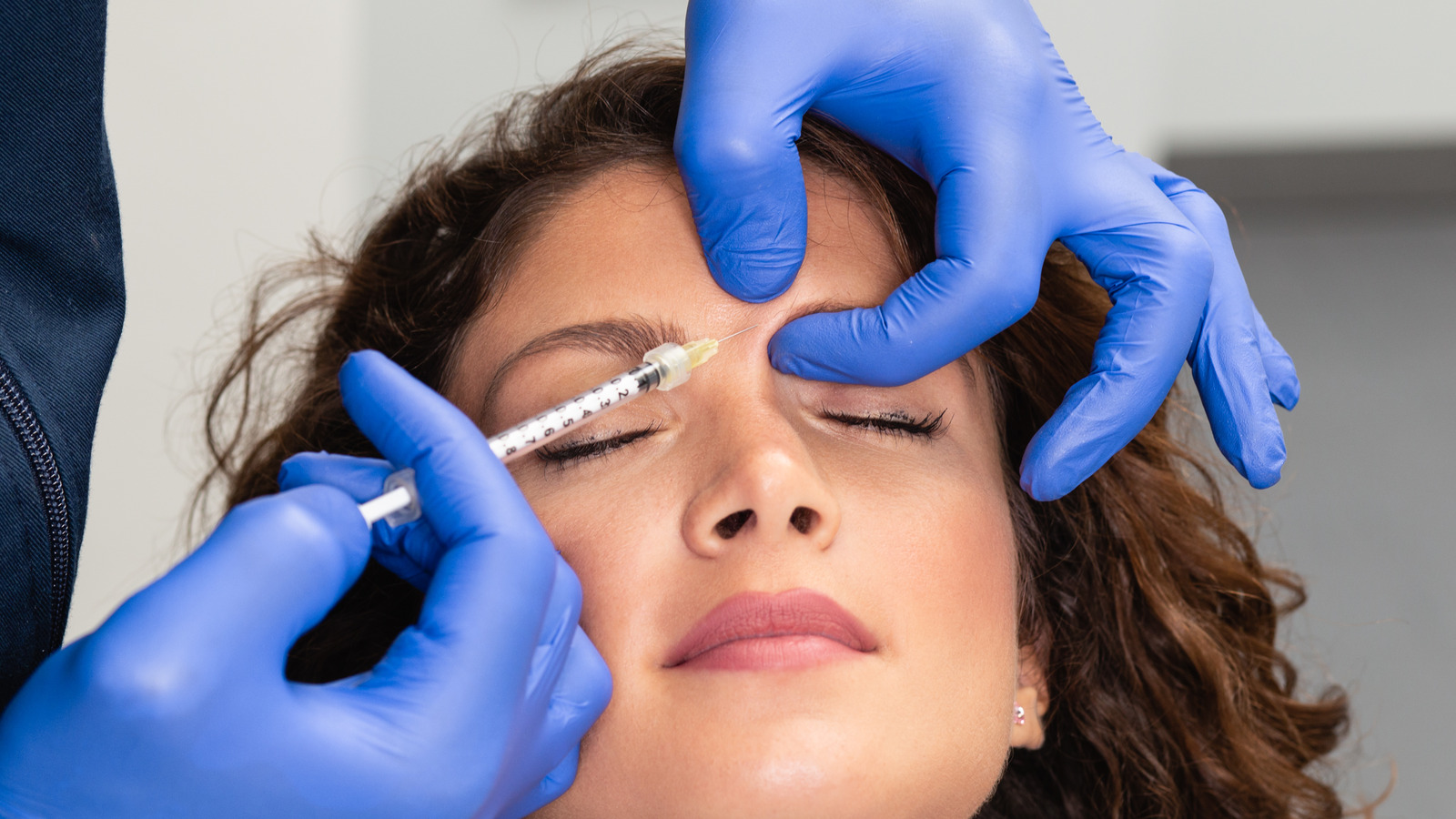
Botox, since its introduction, has gained immense popularity as a cosmetic treatment, with an annual procedure count ranging between 4 to 5 million people. Despite the widespread adoption of various Botox procedures, there is still a lack of awareness regarding the diverse capabilities of this injectable neurotoxin. In the following discussion, we’ll delve into some lesser-known applications of Botox that may come as a surprise.

Infographic provided by Derma Luxe Aesthetics, learn more about lip filler treatment

A staggering 280 million people around the world grapple with this mental health disorder. Despite its widespread prevalence, depression remains one of the most misconstrued, stigmatized, and misunderstood conditions. Regrettably, these misconceptions frequently serve as barriers to individuals seeking the necessary help. Explore the prevalent misunderstandings about depression outlined below.

Infographic provided by Vanguard Behavioral Health, a leading drug rehab Tucson

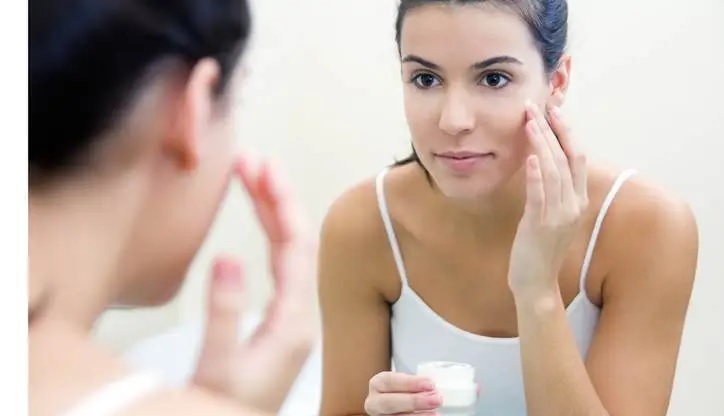
The allure of smooth skin, heightened hydration, and wrinkle reduction often graces the front of skincare products. Yet, to truly grasp their effects and optimize your skincare routine, turning to the back label and examining the ingredient list is imperative.

Although these components might appear perplexing, with names that are challenging to pronounce, comprehending their roles is crucial for maintaining skin health. Furthermore, being aware of what you apply to your skin contributes to cultivating a more informed beauty and wellness regimen. Explore the distinction between two key ingredient categories—active and inactive—along with the benefits of some commonly found examples in the discussion below.

This infographic was created by SeSpring, shop cruelty-free Korean gel cleanser for face

Cancer can impact anyone and anywhere. Yet, there are specific cancers that seem to target women with greater intensity, often due to anatomical differences and other contributing factors. In the United States, cancer ranks as the second leading cause of death, surpassed only by heart disease. This alarming statistic translates to one in four American women succumbing to cancer.

Given the widespread impact of this disease, raising awareness becomes not only essential but empowering. This article aims to shed light on the three deadliest cancers affecting women in the United States, equipping women with knowledge to make informed decisions about their health.

Lung and Bronchus Cancer: A Silent Killer

Leading the roster of cancers impacting women is lung and bronchus cancer, responsible for over 61,000 female deaths annually. Although it’s not the most frequently diagnosed cancer among women, it claims more lives than any other. The primary instigator of lung cancer remains cigarette smoke, followed closely by radon gas exposure and secondhand smoke. In regions with deteriorating air quality, additional environmental factors such as hazardous chemicals and airborne particles also play a role in elevated diagnosis rates. Encouragingly, recent years have seen a decline in death rates, largely attributed to reduced smoking rates and advancements in treating non-small cell lung cancer.

Breast Cancer: A Universal Concern

Breast cancer ranks as the second most lethal cancer for women, accounting for approximately 43,250 deaths annually in the United States. It’s also the second most commonly diagnosed cancer among American women, trailing only skin cancer. While breast cancer can strike at any age, the risk escalates with advancing years. Multiple factors contribute to a woman’s susceptibility to breast cancer, including a family history of the disease, body weight, childbearing history, breastfeeding practices, and the use of birth control, particularly oral contraceptives. Lifestyle choices, such as exposure to cancer-causing chemicals, alcohol consumption, dietary patterns, and physical activity levels, further complicate the picture. Importantly, while there’s no foolproof method to prevent breast cancer, women have access to essential preventive measures. These encompass regular self-examinations, mammograms, and annual health evaluations administered by healthcare providers.

Colon and Rectum Cancer: The Quiet Threat

Colon and rectum cancer, commonly known as colorectal cancer or CRC, ranks as the third deadliest cancer among women in the United States. It claims the lives of over 24,180 women each year. This type of cancer affects both the large and small intestines, including the rectum. Risk factors for CRC are multifaceted, including age (particularly over 50), a family history of the disease, a personal history of polyps, and chronic inflammatory conditions in the intestines, such as ulcerative colitis or Crohn’s disease. Lifestyle choices, including smoking, heavy alcohol consumption, and diets low in fiber and high in fat, also contribute to elevated risk levels. Regular CRC screening, typically commencing in one’s 40s depending on individual risk factors, plays a pivotal role in early detection and prevention. Screening methods encompass stool-based tests and visual structural examinations, such as colonoscopies.

In conclusion, cancer awareness for women transcends mere knowledge; it’s an empowering tool for health and well-being. As women face these diseases at alarmingly high rates, education, regular screenings, and informed lifestyle choices take priority. While we continually strive for improved prevention and treatment strategies, let us never underestimate the profound impact of awareness on the lives of women. For more information, please look over the accompanying resource created by Natera, experts on breast cancer ctDNA.

Infographic provided by Natera

Skin pigmentation, often noticeable as discolored patches or spots on the skin, arises from a myriad of causes. From genetic predisposition to environmental factors, these skin imperfections often send people searching for effective remedies. In recent times, Singapore has emerged as a hub for advanced skincare treatments, with the Pico laser being at the forefront for pigmentation removal. Let’s delve into the causes of skin pigmentation, the different types, and how the Pico laser offers a promising pigmentation removal treatment in Singapore.

Causes of Skin Pigmentation

  1. UV Radiation: Prolonged exposure to the sun’s ultraviolet (UV) rays can lead to an increase in melanin production, causing the skin to darken or tan. Over time, this can result in patches of pigmentation or freckles.
  1. Hormonal Changes: Conditions like melasma, which cause brown to gray-brown patches on the face, are often linked to hormonal changes. This is particularly common during pregnancy or due to birth control pills.
  1. Inflammation: Post-inflammatory hyperpigmentation occurs following skin injury or inflammation. Conditions such as acne, eczema, or lupus can leave behind darkened patches once healed.
  1. Medications and Treatments: Certain medications or medical treatments can cause hyperpigmentation as a side effect.
  1. Genetic Factors: Some people are genetically predisposed to have freckles or other pigmentation.

Types of Skin Pigmentation

  1. Freckles: Small, flat, brown spots that appear on sun-exposed skin.
  1. Melasma: Often referred to as the “mask of pregnancy”, this is characterized by brown to gray-brown patches, usually on the face.
  1. Age Spots or Liver Spots: Flat, brown, gray, or black spots that usually appear on areas exposed to the sun.
  1. Post-inflammatory Hyperpigmentation: Dark patches that appear following skin injury or inflammation.
  1. Birthmarks: Discolorations of the skin that are present at birth or appear shortly afterward.

Pico Laser for Pigmentation Removal Treatment in Singapore

The Pico laser is a groundbreaking technological advancement for skin pigmentation treatments. Not only is it effective in targeting pigmented lesions, but it is also known for its speed and minimal downtime.

How Does the Pico Laser Work?

The Pico laser emits laser beams in ultra-short, picosecond (trillionth of a second) pulses. These pulses shatter the pigmented cells into tiny particles, which are then eliminated by the body’s natural processes. Unlike other lasers that rely on intense heat energy, the Pico laser’s rapid pulse ensures that the surrounding skin tissue remains unharmed, minimizing the risk of burns or scars.

Why Choose Pico Laser Treatment in Singapore?

Speed: The Pico laser’s ultra-short pulse duration allows for faster treatment sessions. This means patients can return to their daily routine almost immediately.

Safety: Since the Pico laser does not rely on intense heat, the risk of burns, scars, or post-treatment pigmentation is significantly reduced.

Effectiveness: Pico laser can target deep-seated pigmentation that might be resistant to other forms of treatment.

Versatility: Apart from pigmentation removal, the Pico laser is also effective in treating tattoos, acne scars, and wrinkles.

It’s no surprise that the Pico laser has become a preferred choice for pigmentation removal treatment in Singapore. With its impeccable safety record, effectiveness, and minimal downtime, it stands as a beacon of hope for those seeking to rid their skin of pigmentation issues.

In Conclusion

Skin pigmentation, although common, can often cause distress and a dent in self-confidence. But, thanks to modern technology and the availability of treatments like the Pico laser, solutions are at hand. As with any skin treatment, always consult with a certified dermatologist or skincare specialist before undergoing any procedure. For those seeking pigmentation removal treatment in Singapore, the Pico laser’s promise of clearer, brighter skin is just a session away.

Magnetic resonance imaging (MRI) is a medical imaging technique that uses a strong magnetic field and radio waves to generate detailed images of the body. If your doctor has ordered an MRI, it’s important to prepare properly for the test to ensure accurate results and a smooth experience.

Firstly, it’s essential to inform your doctor of any medical conditions you have, such as a pacemaker, aneurysm clips, cochlear implants, or metal fragments in your body. On the day of the test, you should avoid wearing clothing with metal snaps, buttons, or zippers, as well as jewelry, eyeglasses, and hearing aids, as these items can interfere with the magnetic field and affect the quality of the images.

After the MRI, you can resume your normal activities immediately. However, if you were given a sedative, you should wait until its effects have worn off before driving or operating machinery. By following these guidelines, you can ensure a safe and successful MRI experience.

MRI Preparation: What To Expect from Imprex International, a provider of non-magnetic tool kit products

Chemotherapy can give rise to various issues that hinder proper nutrition. These include nausea, vomiting, diarrhea or constipation, loss of appetite, alterations in taste or smell, dry mouth, mouth sores, sore throat, lactose intolerance, and fluctuations in weight. To enhance the enjoyment and nutritional value of meals during treatment, the accompanying infographic offers 20 Healthy Diet Tips for Chemotherapy.

However, if you continue to face challenges related to dietary symptoms, it is crucial to seek assistance from your physician, nurse, or dietitian. They can evaluate your situation and collaborate with you to develop a plan that addresses your symptoms and ensures you receive the necessary nutrients for your body. Do not hesitate to seek their guidance and support as you navigate through this challenging period.

Healthy Diet Tips for Chemotherapy from Breast Cancer Car Donations, a car donation foundation in Chicago

Kidney stones are a common and often painful urological issue. They can cause a range of symptoms, from mild discomfort to excruciating pain, and can lead to more serious health problems if left untreated. Understanding the different types of kidney stones is crucial for effective treatment and management. Kidney stones are formed when minerals and other substances in the urine crystallize and stick together. The specific composition of the stone can vary, and different types of stones require different treatments.

Unraveling the Mystery of Kidney Rocks

Kidney stones are small, hard deposits that form inside the kidneys but can also travel through the urinary tract. They’re like tiny little rock climbers, scaling the walls and tunnels of our internal plumbing. But just like rock climbing can be unpredictable, the formation of kidney stones can be unpredictable too. In fact, there are different types of kidney stones, each with unique causes and risk factors. While some of them can be treated with medication or surgical procedures, others can be prevented or treated with natural remedies like apple cider vinegar for kidney stones. So, if you’re curious about unraveling the mystery of kidney rocks, buckle up and get ready to explore the different types of kidney stones and their characteristics.

Sorting Through the Variety of Stone Styles

Thankfully, there are several ways to prevent them from forming and causing more discomfort. One of the easiest and most natural remedies is apple cider vinegar for kidney stones. Before trying out this remedy, it’s crucial first to understand the different types of kidney stones and the significance of sorting through their variety. Each has its unique properties and is formed differently, which means that one type cannot be treated the same way as another. That’s why it’s crucial to consult with a doctor and have an accurate diagnosis. Luckily, by doing so, you’ll be able to prevent further kidney stone formation and use remedies such as apple cider vinegar to keep them at bay.

Kidney stones are a common medical condition that can cause significant pain and discomfort. Knowing the different types of kidney stones and their causes can help individuals take the necessary steps to prevent their formation and reduce their risk of developing kidney stones in the future. It is important to consult with a healthcare provider if you experience symptoms of kidney stones or have a history of kidney stones in order to receive proper diagnosis and treatment. By taking a proactive approach to kidney stone prevention, individuals can protect their kidney health and improve their overall well-being.