
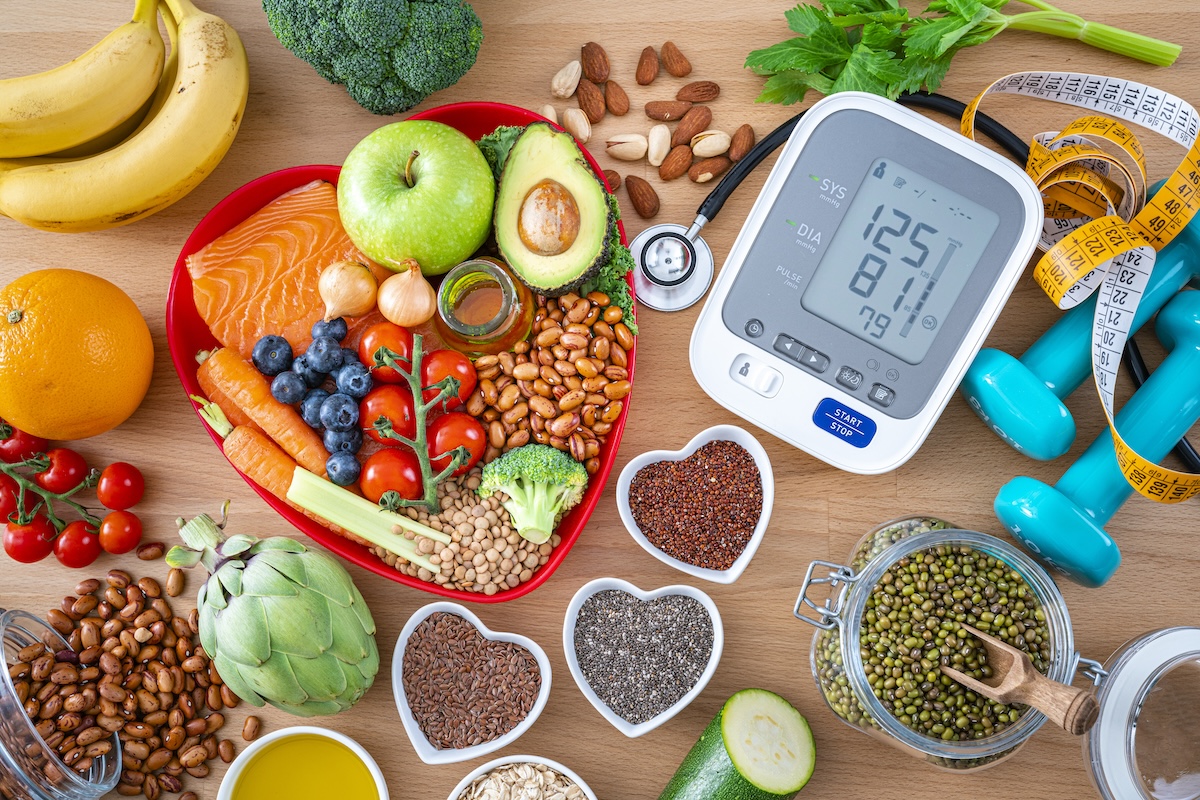
Maintaining cardiovascular health in the twenty-first century presents a unique set of challenges. While medical advancements have increased our ability to treat heart disease, our modern environment often works against our biological needs. Sedentary office jobs, the convenience of processed high-sodium foods, and the constant digital tether that fuels chronic stress have created a perfect storm for cardiovascular strain. However, protecting your heart does not require a total retreat from modern life. Instead, it involves integrating intentional, evidence-based habits that counteract these modern pressures.
The Foundation of Modern Cardiovascular Nutrition
Dietary habits have shifted dramatically over the last few decades. The modern American diet is frequently characterized by ultra-processed foods that are engineered for shelf-life and palatability rather than nutritional density. To protect the heart, one must prioritize whole-food nutrition while being mindful of specific modern pitfalls like hidden sugars and excessive sodium.
-
Fiber as a Heart Shield: Soluble fiber, found in oats, beans, and lentils, acts like a sponge in the digestive tract, soaking up cholesterol before it can enter the bloodstream. Aim for at least 25 to 30 grams of fiber daily to help maintain healthy LDL levels.
-
The Sodium-Potassium Balance: Most modern diets are dangerously high in sodium but low in potassium. Potassium helps the body excrete sodium and eases tension in blood vessel walls. Increasing intake of bananas, spinach, and sweet potatoes can directly help manage blood pressure.
-
Choosing the Right Fats: The shift away from trans fats was a victory, but many still struggle with the ratio of Omega-6 to Omega-3 fatty acids. Prioritizing Omega-3s from fatty fish like salmon or plant sources like walnuts and flaxseeds helps reduce systemic inflammation, a key driver of arterial plaque.
Movement in an Age of Sedentary Work
Modern professionals often spend eight to ten hours a day sitting. Research has shown that even an hour at the gym may not fully counteract the negative effects of prolonged sitting, a phenomenon often referred to as sitting disease. For a healthy heart, movement must be viewed as a continuous requirement rather than a single daily task.
The sedentary break is a crucial modern habit. Setting a timer to stand, stretch, or walk for five minutes every hour can significantly improve vascular function and glucose metabolism. Beyond these breaks, cardiovascular conditioning requires a mix of moderate-intensity aerobic activity and resistance training. Aerobic exercise strengthens the heart muscle and improves its efficiency, while muscle mass helps regulate blood sugar, taking the metabolic load off the heart.
Navigating Digital Stress and Sleep Architecture
Chronic stress is perhaps the most overlooked modern heart health risk. The constant influx of notifications and the pressure of a 24/7 work culture keep the body in a state of fight or flight. This leads to elevated cortisol levels and sustained high blood pressure, which damage the lining of the arteries over time.
Intentional disconnection and mindfulness are no longer luxury habits; they are cardiovascular necessities. Deep breathing exercises, even for just ten minutes a day, can stimulate the vagus nerve and activate the parasympathetic nervous system, lowering the heart rate and inducing a state of physiological recovery. Furthermore, sleep is when the heart gets its most profound rest. During deep sleep, heart rate and blood pressure drop, allowing the cardiovascular system to repair itself. Consistent sleep deprivation is linked to an increased risk of calcification of the coronary arteries.
The Importance of Regular Screening and Data
One advantage of the modern era is our ability to monitor health markers with high precision. However, many people wait for symptoms to appear before seeking medical advice. In the world of heart health, conditions like hypertension and high cholesterol are often silent.
-
Know Your Numbers: Regular tracking of blood pressure, fasting glucose, and lipid panels is essential. Early detection of a creeping blood pressure trend allows for lifestyle adjustments before medication becomes necessary.
-
Managing Inflammation: Asking for a C-reactive protein (CRP) test during blood work can provide insight into systemic inflammation levels that standard cholesterol tests might miss.
-
Alcohol and Caffeine: While modern social life often revolves around these substances, moderation is key. Excessive alcohol can weaken the heart muscle, known as cardiomyopathy, while excessive caffeine can trigger arrhythmias in sensitive individuals
Building a Sustainable Environment
Willpower is often insufficient to maintain heart health in a world designed for convenience. Successful modern heart health requires environmental design. This means stocking your pantry with heart-healthy snacks so that the easy choice is a healthy one. It means keeping a water bottle at your desk to ensure hydration, which maintains blood volume and reduces the heart’s workload. It also involves finding a community or a walking partner to turn exercise into a social habit rather than a chore.
By focusing on consistent, small improvements rather than radical, unsustainable shifts, you can build a lifestyle that supports your heart for decades to come. The goal is to move more, eat real food, manage the digital noise, and stay informed about your body’s internal metrics.
Frequently Asked Questions
How does dehydration specifically affect my heart health? When you are dehydrated, the total volume of blood in your body decreases. To compensate, your heart has to beat faster and work harder to pump the remaining blood to your organs, which can cause temporary spikes in heart rate and blood pressure.
Does standing at a desk provide the same heart benefits as walking? While standing is better than sitting because it engages more muscles and burns slightly more calories, it does not provide a significant cardiovascular workout. True heart benefits come from the muscle pump of the legs during walking, which helps circulate blood back up to the heart.
Can high levels of daily noise pollution impact cardiovascular health? Yes, modern studies indicate that chronic exposure to loud environmental noise, like traffic or construction, can trigger a stress response in the brain. This results in the release of hormones that cause inflammation in the blood vessels and can lead to hypertension over long periods.
Is there a specific time of day that is best for heart-healthy exercise? Consistency is more important than timing, but some research suggests that afternoon exercise may be slightly more effective for managing blood pressure and blood sugar levels compared to morning sessions, as the body’s core temperature is higher and muscles are more flexible.
How does loneliness or social isolation affect the heart? Modern social isolation is a major risk factor. Lack of social connection is linked to higher levels of chronic stress and inflammation. Strong social bonds have been shown to lower the risk of heart attack and improve recovery rates for those who have existing heart conditions.
What is the relationship between dental hygiene and heart health? There is a strong correlation between gum disease and heart disease. The bacteria that cause inflammation in the mouth can enter the bloodstream and contribute to inflammation in the arteries, potentially leading to the formation of blood clots.
How does a high-sugar diet damage the heart if I am not overweight? Even in lean individuals, excess sugar, especially fructose, can cause the liver to dump fats into the bloodstream. It also causes spikes in insulin, which can thicken the walls of the arteries and increase blood pressure, regardless of a person’s total body weight.

Comments are closed.