
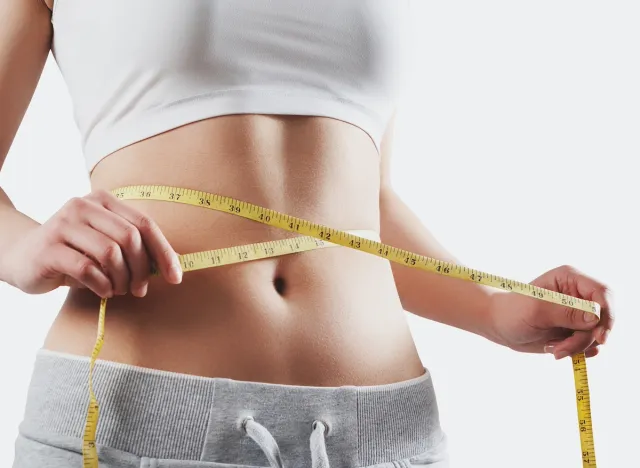
Achieving sustainable fat loss while balancing a demanding career, family obligations, and a social life is one of the most common challenges for adults today. The traditional approach of spending hours in the gym and meticulously counting every calorie often fails for the busy professional because it lacks the flexibility required for a high-pressure lifestyle. True success lies in shifting from a mindset of “doing more” to a strategy of “doing better.” By leveraging physiological principles and focusing on high-impact habits, it is possible to achieve significant body composition changes without sacrificing productivity or personal time.
The Foundation of Metabolic Efficiency
For the busy adult, the goal is not just weight loss, but fat loss. Weight loss can include the loss of muscle and water, whereas fat loss specifically targets adipose tissue while preserving lean muscle mass. Maintaining muscle is crucial because muscle tissue is metabolically active; it burns more calories at rest than fat tissue.
The most effective strategy begins with understanding the concept of a “modest deficit.” Aggressive dieting often leads to a metabolic slowdown and increased hunger hormones, which eventually causes a rebound in weight. Instead, aiming for a caloric intake that is roughly 200 to 300 calories below maintenance allows the body to prioritize fat burning without triggering a starvation response. This approach is more manageable for those with busy schedules because it does not require extreme restriction that can lead to “brain fog” during the workday.
High-Protein Nutrition: The Busy Professional’s Secret
Protein is the most critical macronutrient for fat loss, especially for those with limited time. It serves two primary purposes: preserving muscle mass and increasing satiety.
-
Thermic Effect of Food: The body uses more energy to digest protein than it does to digest carbohydrates or fats. This means that simply by increasing protein intake, a small portion of the calories are burned off during the metabolic process itself.
-
Appetite Control: Protein suppresses ghrelin, the hunger hormone, and stimulates the release of peptide YY, which makes you feel full. For an adult moving from meeting to meeting, staying full for longer periods is essential to avoid the “vending machine trap” or impulsive snacking.
-
Convenience through Preparation: High-protein snacks like Greek yogurt, hard-boiled eggs, or high-quality protein shakes require minimal preparation and can be consumed on the go, making them ideal for a packed schedule.
Time-Efficient Exercise: Quality over Quantity
When time is the most scarce resource, the structure of exercise must change. For fat loss, Resistance Training (RT) and High-Intensity Interval Training (HIIT) offer the best return on investment.
Resistance training, such as lifting weights or using bodyweight exercises, is vital for maintaining muscle while in a caloric deficit. A busy adult can see significant results with just two or three 45-minute sessions per week, provided they focus on compound movements. Exercises like squats, deadlifts, presses, and rows engage multiple muscle groups simultaneously, maximizing calorie burn and hormonal response in a short window.
For cardiovascular health and additional fat burning, HIIT is often more effective than steady-state cardio for the time-constrained. A 15-minute HIIT session can stimulate a metabolic afterburn—known as Excess Post-exercise Oxygen Consumption (EPOC)—that keeps the metabolism elevated for hours after the workout is finished. This is far more practical than spending an hour on a treadmill.
The Non-Exercise Activity Thermogenesis Factor
Many adults underestimate the power of Non-Exercise Activity Thermogenesis (NEAT). This includes all the calories burned through daily movement that isn’t formal exercise, such as walking, standing, and even fidgeting. For someone working a desk job, NEAT can make or break a fat loss plan.
Small, intentional changes can significantly increase NEAT without requiring “gym time.” Taking calls while walking, using a standing desk, or opting for the stairs instead of the elevator adds up over the course of a week. In fact, for many people, increasing NEAT is more effective for fat loss than a 30-minute gym session because it occurs consistently throughout the day and doesn’t lead to the same level of compensatory hunger that intense exercise can.
Sleep and Stress Management: The Overlooked Variables
For the busy adult, sleep and stress are often the first things sacrificed. However, from a biological standpoint, they are the two most important factors for hormonal balance.
Lack of sleep increases levels of cortisol and ghrelin while decreasing leptin (the hormone that tells you you’re full). This hormonal imbalance makes it nearly impossible to stick to a nutritional plan because the brain is constantly seeking quick energy, usually in the form of sugar and processed fats. Furthermore, high cortisol levels can encourage the body to store fat specifically in the abdominal region.
Prioritizing seven to eight hours of quality sleep and implementing basic stress-management techniques—like five minutes of deep breathing or a short evening walk—can stabilize these hormones. This makes the process of fat loss feel much more effortless, as you aren’t constantly fighting your own biology.
Tactical Meal Planning for the Week
The most common reason fat loss plans fail is a lack of preparation. When you are tired and hungry after a long day, the path of least resistance is usually a high-calorie takeout meal.
-
Batch Cooking: Dedicating two hours on a Sunday to prepare a few versatile proteins (like grilled chicken or lean ground beef) and roasted vegetables can provide the base for several meals throughout the week.
-
The “Rule of One”: If a full week of meal prep is overwhelming, focus on prepping just one meal—usually the one where you are most likely to make a poor choice. For many, this is lunch at the office or the mid-afternoon snack.
-
Healthy Convenience: Utilizing pre-washed greens, frozen vegetables, and pre-cooked grains can cut cooking time in half while maintaining the nutritional integrity of the meal.
Consistency Over Perfection
The “all or nothing” mentality is the enemy of the busy adult. A missed workout or a decadent business dinner is not a reason to abandon the plan. Smart fat loss is about the aggregate of your choices over weeks and months.
If a meeting runs late and you miss the gym, a ten-minute bodyweight circuit at home is better than nothing. If a dinner involves more calories than planned, simply returning to your standard high-protein breakfast the next morning keeps the momentum going. This flexibility ensures that the fat loss strategy is an integrated part of your life, rather than a temporary burden.
Conclusion
Fat loss for busy adults is a game of strategy, not willpower. By prioritizing protein, engaging in high-impact resistance training, increasing daily movement, and guarding sleep and stress levels, anyone can transform their body composition. The key is to build a system that works with your life rather than against it. When these small, smart habits are applied consistently, the results are not just a lower number on the scale, but increased energy, better focus, and long-term health.
Frequently Asked Questions
Is it possible to lose fat without doing any traditional cardio?
Yes. Fat loss is primarily driven by a caloric deficit and preserved by resistance training. While cardio is excellent for heart health and can help increase the deficit, it is not a requirement. Many busy adults find success by focusing entirely on lifting weights and increasing their daily step count, which provides the metabolic benefits without the time commitment of long cardio sessions.
How does caffeine affect fat loss for someone with a high-stress job?
Caffeine can be a double-edged sword. In moderation, it can boost metabolism and provide energy for workouts. However, for a high-stress professional, excessive caffeine can lead to increased cortisol levels and disrupted sleep, which may actually hinder fat loss. It is best to limit caffeine to the earlier part of the day to ensure it doesn’t interfere with the recovery process.
What are the best types of snacks to keep at a desk to avoid blood sugar crashes?
Look for snacks that combine protein and fiber. Examples include raw almonds, jerky without added sugar, or roasted chickpeas. These provide a slow release of energy and keep blood sugar stable, preventing the late-afternoon energy “slump” that often leads to overeating in the evening.
Does drinking water actually help with fat loss?
Water is essential for the metabolic process of lipolysis (breaking down fats). Furthermore, the brain often confuses thirst with hunger. Staying well-hydrated ensures that you aren’t eating simply because you are mildly dehydrated. Drinking a glass of water before a meal can also help with portion control by increasing the sensation of fullness.
Should busy adults try intermittent fasting?
Intermittent fasting can be a highly effective tool for busy adults because it simplifies the day by reducing the number of meals to prepare and clean up. However, it is a tool, not a requirement. If fasting makes you feel overly stressed or leads to overeating during your window, a traditional three-meal approach may be better. The best schedule is the one you can stick to consistently.
How do I handle business lunches or social events while trying to lose fat?
A simple strategy is the “Protein and Green” rule. Look for a lean protein source (fish, chicken, or lean steak) and pair it with a double serving of vegetables. Skip the bread basket and caloric appetizers. This allows you to participate in the social aspect of the meal while staying within your nutritional goals.
Can supplements replace a meal if I am too busy to eat?
While a high-quality protein shake can serve as a convenient “bridge” between meals, it should not be a permanent replacement for whole foods. Whole foods provide essential micronutrients and fiber that supplements lack. Use shakes as a tactical tool for convenience, but aim for the majority of your nutrition to come from minimally processed foods.

Comments are closed.