
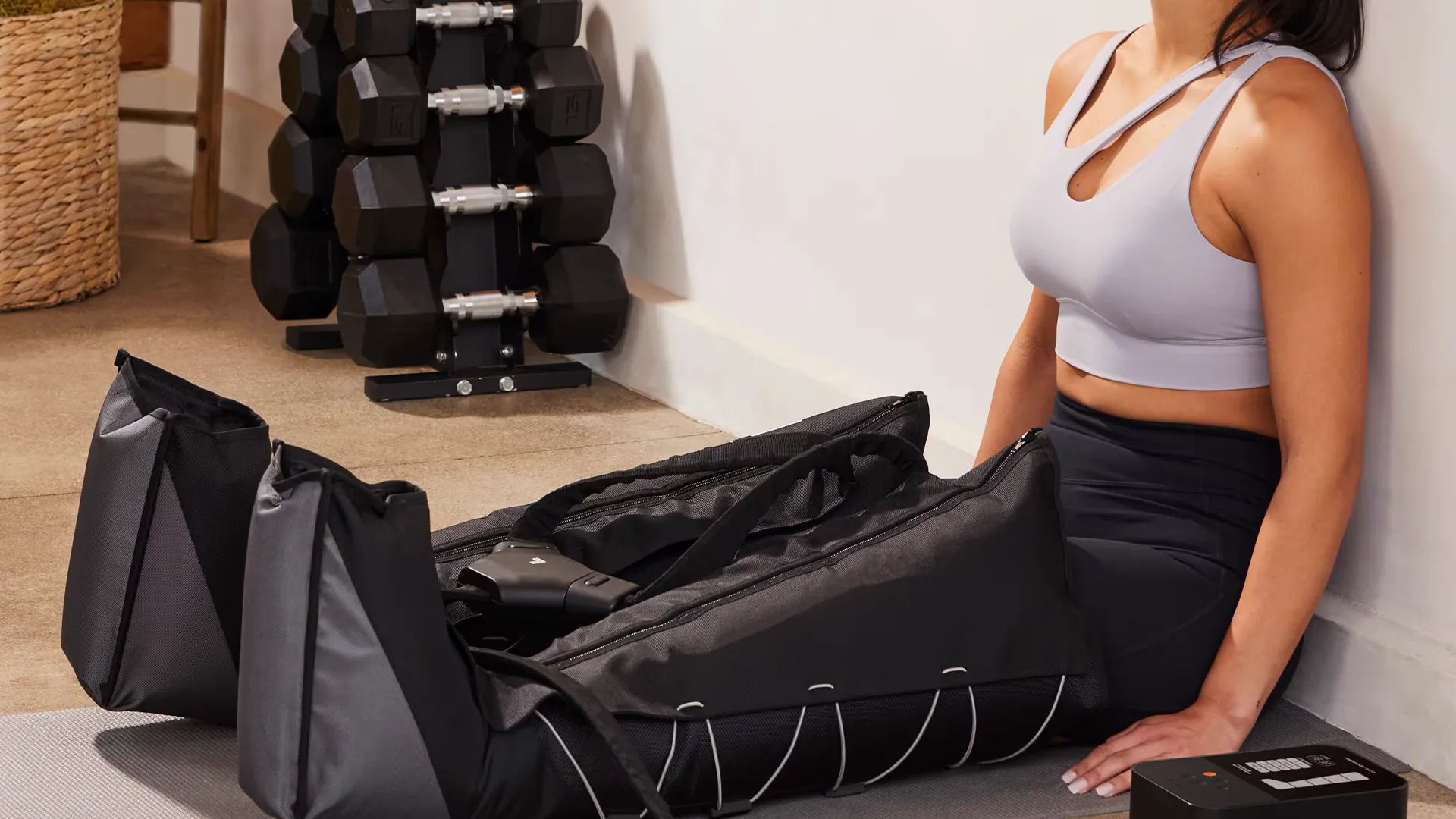
Compression therapy has transitioned from a clinical treatment for venous disorders to a mainstream recovery staple for elite athletes and fitness enthusiasts alike. While the sight of professional basketball players in compression tights or runners in knee-high socks is now common, the underlying physiological mechanisms are often misunderstood. At its core, compression therapy is an external application of pressure designed to augment the body’s natural circulatory and lymphatic processes. By manipulating fluid dynamics within the limbs, this therapy accelerates the removal of metabolic waste and reduces the physiological markers of muscle damage.
The Physiological Foundation of External Pressure
To understand how compression aids recovery, one must first look at the challenges the human circulatory system faces. The heart is a powerful pump that sends oxygenated blood to the extremities, but returning that blood from the lower legs involves fighting gravity. This return journey relies heavily on the calf muscle pump and one-way venous valves.
When external pressure is applied to the limb, it narrows the diameter of the major veins. According to the principles of fluid dynamics, specifically Poiseuille’s Law, a decrease in the cross-sectional area of a vessel increases the velocity of the fluid moving through it. By increasing the speed of venous return, compression therapy prevents blood from pooling in the lower extremities, which is a common cause of swelling and heavy-limb sensation after intense physical exertion.
Mechanisms of Edema Reduction and Lymphatic Drainage
One of the primary goals of recovery is the management of exercise-induced edema. Intense physical activity, particularly eccentric movements like downhill running or heavy lifting, causes microscopic tears in muscle fibers. This structural damage triggers an inflammatory response, leading to an accumulation of fluid in the interstitial spaces between cells.
Compression therapy addresses this through several pathways:
-
Intercellular Fluid Shifts: The mechanical pressure increases the hydrostatic pressure outside the capillaries. This encourages fluid to move from the interstitial space back into the vascular and lymphatic systems, effectively “squeezing” the swelling out of the muscle tissue.
-
Lymphatic System Activation: Unlike the circulatory system, the lymphatic system does not have a central pump. It relies on movement and external pressure. Compression stimulates the lymphatic vessels to pick up large molecules, such as proteins and cellular debris, that the venous system cannot handle.
-
Reduced Space for Swelling: By occupying the physical space around the limb, compression garments or boots limit the total volume of fluid that can accumulate in the first place, acting as a preventative measure against excessive inflammation.
Impact on Delayed Onset Muscle Soreness
Delayed Onset Muscle Soreness (DOMS) typically peaks 24 to 48 hours after a novel or strenuous workout. While the exact cause of DOMS is still debated, it is widely accepted that inflammation and the accumulation of metabolic byproducts like creatine kinase play a significant role.
The application of compression has been shown to reduce the perception of soreness. This is likely due to the attenuation of the inflammatory cascade. By facilitating faster clearance of inflammatory markers and reducing muscle oscillation—the micro-vibrations that occur during impact sports—compression protects the structural integrity of the muscle. Furthermore, the constant tactile sensation of the garment may provide a psychological “gate control” effect, where the brain prioritizes the sensation of pressure over the sensation of dull muscle pain.
Graduated vs Sequential Compression
In the world of recovery technology, there are two primary methods of delivery: static graduated compression and dynamic sequential compression.
Static Graduated Compression
Most compression socks and sleeves utilize graduated pressure. This means the pressure is highest at the ankle (measured in mmHg) and gradually decreases as the garment moves up the leg. This gradient ensures that blood and lymph are directed toward the heart rather than being trapped by a tight band at the top of the garment. This is the standard for day-to-day recovery and travel.
Dynamic Sequential Compression
This technology involves inflatable sleeves or boots connected to a pump. These devices use “pulses” of pressure that start at the feet and move upward in segments. This mimicking of the muscle pump is often more powerful than static garments and is highly effective at flushing the limbs after high-volume training sessions. The rhythmic nature of the cycles provides a mechanical massage that further assists in relaxing the hypertonic muscles.
Metabolic Waste Clearance and Oxygenation
A common misconception is that compression therapy is primarily about “flushing lactic acid.” In reality, lactate levels usually return to baseline within an hour of exercise through light movement. The real value of compression lies in the long-term clearance of larger metabolic markers and the improvement of muscle oxygenation during the recovery phase.
Studies using near-infrared spectroscopy have indicated that wearing compression garments post-exercise can lead to a more rapid restoration of tissue oxygen saturation. By keeping the blood moving and preventing stagnation, the muscles are continuously bathed in nutrient-rich blood, which provides the necessary building blocks for protein synthesis and tissue repair.
The Role of Compression in Travel and Long-Term Health
Recovery isn’t just about what happens in the gym; it is also about the time spent between sessions. For athletes who travel frequently, compression therapy is vital. Long periods of immobilization, such as on flights or bus rides, lead to a significant drop in circulation and an increased risk of Deep Vein Thrombosis (DVT).
Compression garments maintain a baseline level of vascular activity during these sedentary periods. By preventing the “heavy leg” syndrome associated with travel, athletes can arrive at their destination ready to perform without the typical 24-hour lag in physical readiness.
Psychological Benefits and the Placebo Effect
The science of recovery is as much about the mind as it is about the body. The “tightness” of compression provides a sense of stability and support that many users find comforting. This psychological assurance can lead to increased confidence in one’s recovery status. Even if a portion of the benefit is attributed to the placebo effect, the result remains a reduction in perceived fatigue and a faster return to training, which are the ultimate goals of any recovery intervention.
Guidelines for Effective Use
To maximize the benefits of compression therapy, timing and fit are critical. For post-workout recovery, it is generally recommended to apply compression as soon as possible after the session.
-
Duration: While static garments can be worn for several hours or even overnight, dynamic compression sessions are typically most effective in 20 to 60-minute bouts.
-
Sizing: A garment that is too loose will provide no physiological benefit, while one that is too tight can actually impede arterial flow. Proper measurement of the ankle and calf circumference is necessary to ensure the pressure falls within the therapeutic range of 15 to 30 mmHg.
Conclusion
Compression therapy is a multi-faceted tool that leverages the laws of physics to enhance human biology. By increasing venous velocity, facilitating lymphatic drainage, and mitigating the inflammatory response, it provides a measurable advantage in the recovery process. Whether through the simple application of a graduated sock or the sophisticated engineering of sequential pneumatic boots, the goal remains the same: to return the body to a state of homeostasis as efficiently as possible.
Frequently Asked Questions
Is it safe to sleep in compression socks for recovery?
Generally, it is safe to sleep in mild to moderate compression socks (15-20 mmHg) if they are graduated. However, individuals with circulatory issues or diabetes should consult a professional first. It is also important to ensure the sock does not bunch up or create a tourniquet effect during sleep, as this can restrict blood flow rather than help it.
Can compression garments be worn during a workout instead of just after?
Yes, many athletes wear compression during exercise to reduce muscle oscillation and improve proprioception (the body’s awareness of its position in space). While the evidence for performance enhancement during a workout is mixed, the benefits for reducing the total “damage” accumulated during the session are well-supported.
How do I know if my compression boots are set to a pressure that is too high?
High pressure is not always better. The goal is to move fluid, not to crush the tissue. If you feel numbness, tingling, or a sharp pain, the pressure is too high. Most recovery protocols find success between 40 and 80 mmHg for dynamic boots, as this is sufficient to overcome venous pressure without causing discomfort.
Does compression therapy help with skin-level bruising?
Since bruising is essentially internal bleeding and fluid accumulation under the skin, compression can help by limiting the spread of the blood and encouraging the lymphatic system to clear the debris. However, it should not be applied so tightly that it causes further pain to the bruised area.
Is there anyone who should avoid compression therapy?
Individuals with acute deep vein thrombosis (DVT), severe peripheral neuropathy, or advanced peripheral arterial disease should avoid compression therapy unless specifically directed by a physician. In these cases, external pressure could potentially dislodge a clot or further restrict already compromised arterial blood flow.
Does the material of the compression garment matter?
The material affects both the durability of the pressure and the comfort of the user. High-quality garments use a blend of synthetic fibers like nylon and spandex that maintain their “elastic memory” over time. Moisture-wicking properties are also essential to prevent skin irritation during long periods of wear.
Can compression therapy replace active recovery like walking or light cycling?
Compression therapy is a “passive” recovery tool. While it is highly effective, it is best used in conjunction with active recovery. Light movement further assists the muscle pump, and combining the two—such as wearing compression socks during a post-workout walk—can create a synergistic effect on circulation.

Comments are closed.