
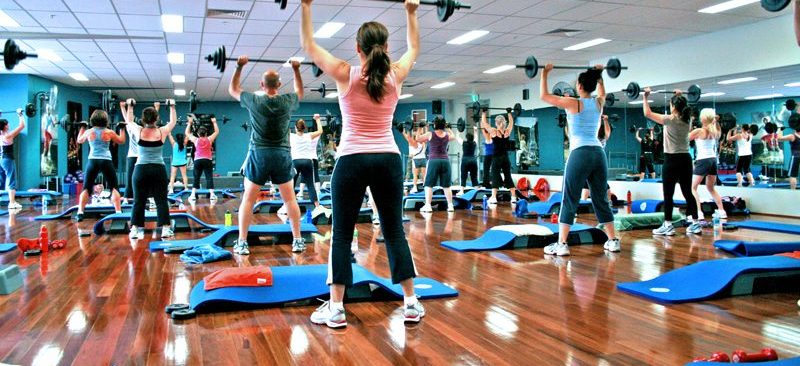
If you have ever walked into a gym, looked around at the rows of machines and free weights, and then quietly walked back out, you are not alone. This experience is so common it has its own name: gym intimidation. It affects beginners, returning gym-goers, and even people who are reasonably fit but simply do not have a structured plan. The good news is that this problem has a very practical solution, and it does not involve hiring a personal trainer or spending hours watching YouTube tutorials. The answer lies in joining fitness classes singapore, where the thinking is done for you, the structure is built in, and the environment is designed to keep you moving.
In Singapore, where people lead extremely busy lives and free time is precious, the last thing anyone wants is to spend thirty minutes of a gym session figuring out what exercise to do next. Workout classes remove that friction entirely. You show up, an instructor tells you what to do, and you leave having completed a full session. But the benefits go far deeper than convenience. Let us break down exactly why workout classes are the most effective solution to gym confusion, and why they work from both a psychological and physiological standpoint.
The Real Problem: Decision Fatigue in the Gym
Most people underestimate how mentally exhausting it is to design your own workout. When you enter a gym alone, you face a series of decisions: Which muscle group should I train today? How many sets? How much rest between exercises? What is the correct form? Am I pushing hard enough? Should I do cardio before or after weights?
These might seem like small questions, but they add up quickly. Psychologists call this decision fatigue, a well-documented phenomenon where the quality of decisions deteriorates after a long session of decision making. In the context of a gym, decision fatigue means you will either give up and leave early, do the same three exercises you always do out of habit, or spend more time resting between sets than actually working out.
Workout classes eliminate every single one of these decisions. The instructor has already designed a programme, set the pace, chosen the music, and mapped out the warm-up and cool-down. You become a participant rather than a planner, and that shift alone makes the session significantly more productive.
Structure Builds Consistency, and Consistency Builds Results
One of the biggest reasons people do not see results from going to the gym is inconsistency. They go hard for two weeks, then miss a week, then struggle to get back into the routine. Workout classes help solve this because they operate on a schedule, and schedules create accountability.
When you book a class at a specific time, you are far more likely to show up than if you had vaguely planned to “go to the gym sometime tomorrow.” Research in behavioural psychology consistently shows that implementation intentions, which are specific plans tied to a time and place, dramatically increase follow-through on goals. Booking a class is essentially an implementation intention built into your fitness routine.
Beyond scheduling, the structured progression within classes also means your body is being challenged appropriately over time. Good instructors adjust difficulty, introduce new movements, and vary the training stimulus so that participants continue to improve rather than plateau.
Why Beginners Specifically Benefit From Class Environments
For someone who is new to exercise, the gym floor can be an overwhelming and even intimidating place. The equipment looks foreign, other gym-goers seem to know exactly what they are doing, and there is a very real fear of looking foolish or injuring yourself by using a machine incorrectly.
Workout classes offer a safe container for learning. In a class setting, everyone is following the instructor at the same time, which means no single person is being watched or judged. Beginners can observe others, follow along at their own pace, and ask questions in an environment that is designed to be welcoming rather than competitive.
The instructor is also a critical safety mechanism. Proper form and technique are taught from the start, which dramatically reduces injury risk. This is particularly important in Singapore, where many working adults come to exercise with sedentary postures from long hours at a desk, which creates specific vulnerabilities in the lower back, hips, and shoulders.
The Variety Factor: Keeping Things Fresh So You Do Not Quit
One of the most underrated aspects of workout classes is the sheer variety available. From HIIT and cycling to yoga, barre, strength training, and aqua fitness, the options are wide enough that anyone can find something they enjoy. And enjoyment is not a luxury in fitness. It is a necessity.
Research consistently shows that people who enjoy their exercise are significantly more likely to maintain it long term. The moment a workout feels like a punishment, consistency drops. Workout classes, by contrast, introduce new movements, music, and formats that keep sessions engaging and something to look forward to rather than dread.
In a city like Singapore, where options are plentiful and people are spoilt for choice, having access to a diverse class timetable means you can mix formats across the week. You might do a strength class on Monday, a yoga session on Wednesday, and a cardio-based class on Friday. This cross-training approach also reduces overuse injuries and ensures balanced physical development.
The Role of the Instructor: More Than Just Someone Shouting Counts
A good fitness instructor does far more than count repetitions. They cue proper form in real time, which is something no app or video can do as effectively. They read the energy of the room and adjust intensity accordingly. They motivate participants through challenging moments and provide modifications for those who need them. They also create a safe and inclusive environment where people of different fitness levels can train together without feeling out of place.
In Singapore, the standard of fitness instruction has risen considerably over the past decade. Most reputable studios require instructors to hold internationally recognised certifications and maintain continuing education. This means when you walk into a class, you are being guided by someone with real expertise, not just enthusiasm.
Social Connection as a Fitness Tool
Humans are social creatures, and this fact has direct implications for fitness behaviour. Multiple studies have shown that people who exercise with others have higher attendance rates, work harder during sessions, and report greater enjoyment compared to those who exercise alone.
Workout classes naturally create a community. You see the same faces each week. You share the experience of a tough circuit or a challenging yoga sequence. Over time, these small shared moments build genuine connections, and those connections become another reason to keep showing up.
At True Fitness Singapore, this sense of community is actively cultivated through the class environment, where members are encouraged to challenge themselves alongside others in a supportive setting rather than a competitive one.
Practical Tips for Getting Started With Workout Classes in Singapore
If you are ready to take the step from aimless gym visits to structured, results-driven classes, here are some practical starting points.
- Start with two to three classes per week to allow your body to adapt without risking burnout or injury
- Try at least three different class formats before deciding which ones suit you best, as first impressions can be misleading
- Arrive five to ten minutes early so you can introduce yourself to the instructor and let them know you are new
- Wear appropriate footwear for the class type, as cross-trainers work well for most formats but some classes require specific shoes
- Do not compare your performance to others in the room, especially in your first few weeks
- Stay hydrated and eat a light meal one to two hours before class, particularly for high-intensity formats
- Book your classes in advance to hold yourself accountable and secure your spot
FAQ
Q: I have never exercised before. Are workout classes suitable for complete beginners?
A: Yes, absolutely. Most workout classes are designed with multiple fitness levels in mind, and instructors routinely offer modifications for beginners. Let the instructor know before class starts that you are new, and they will keep an eye on your form and help you adjust where needed.
Q: How many classes per week should I attend to see noticeable results?
A: For general fitness improvement, three to four classes per week is a solid starting point. However, the type of classes matters as much as the frequency. Mixing strength-based and cardio-based formats across the week tends to produce more balanced and visible results than doing the same class type repeatedly.
Q: Will I get injured if I push too hard in a class?
A: The risk is there if you ignore your body’s signals or skip modifications when they are offered. Good instructors will always remind you to work within your limits. Listen to your body, especially in the first few weeks, and do not feel pressured to match the pace of more experienced participants.
Q: Are workout classes more effective than going to the gym alone?
A: For most people, yes, particularly for consistency and motivation. The structured environment, instructor guidance, and social accountability tend to produce better long-term adherence than solo gym sessions, which can often become aimless or repetitive without a clear programme.
Q: What should I bring to my first workout class?
A: Bring a water bottle, a small towel, appropriate workout attire, and suitable footwear. Some studios provide equipment like mats or weights, but it is always worth checking beforehand. Arrive a few minutes early to familiarise yourself with the space.

Comments are closed.