
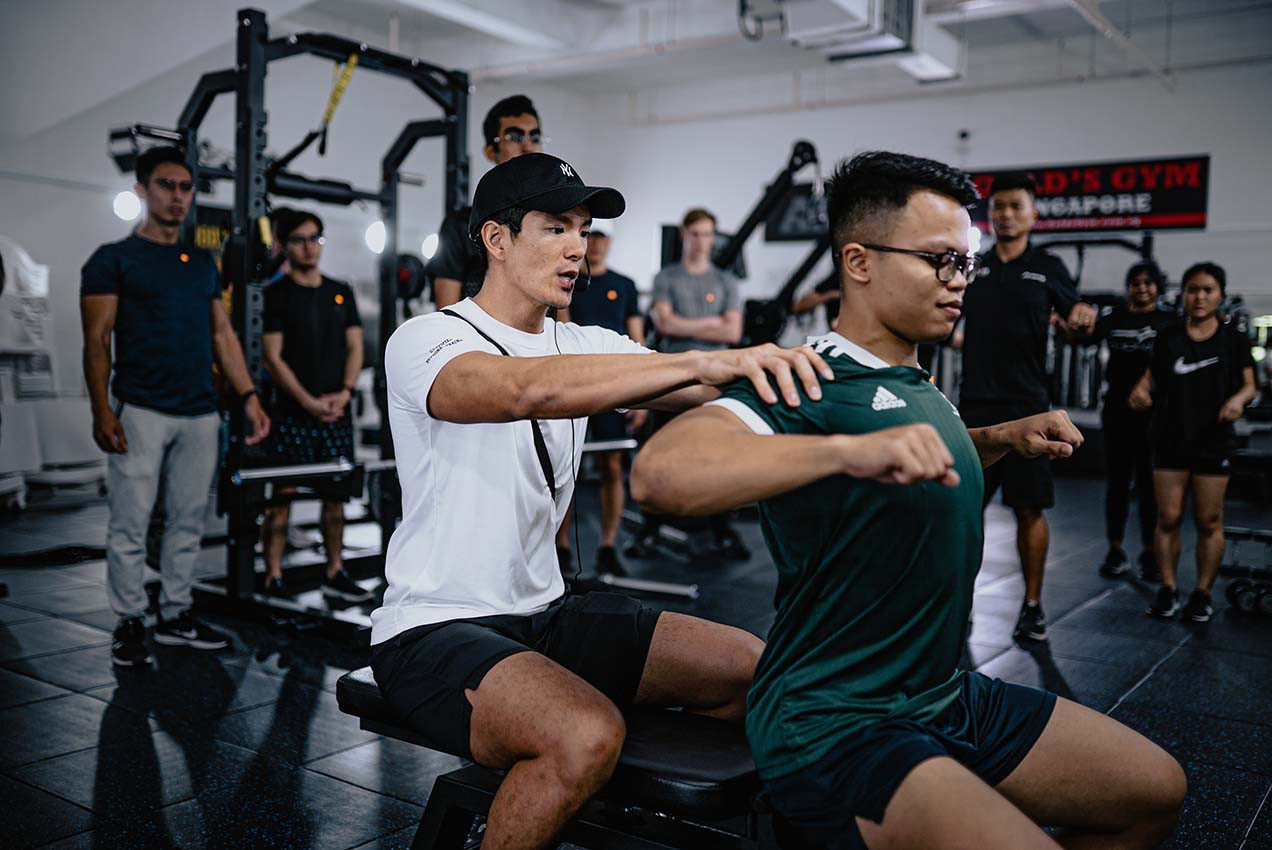
In Singapore’s fast-paced fitness culture, enthusiasm often leads many to train harder instead of smarter. Yet, behind every sustainable transformation is a well-managed recovery strategy. A qualified personal gym trainer Singapore understands that true progress isn’t just built during workouts, but during recovery. Through scientific programming and personalised guidance, they help clients avoid overtraining, reduce injury risks, and achieve consistent performance improvements.
Understanding Overtraining: When Too Much Becomes Counterproductive
Overtraining occurs when the body doesn’t have adequate time to recover between sessions. While discipline is vital, pushing beyond recovery capacity can trigger fatigue, hormonal imbalance, and even mental burnout. In Singapore, where clients often balance long work hours with intense gym sessions, this becomes a common challenge.
A professional trainer assesses each individual’s workload, sleep quality, stress levels, and nutrition before crafting training plans. This prevents the common mistake of adding intensity without balancing rest and adaptation phases.
How Recovery Shapes Long-Term Fitness
Recovery is not passive; it’s a physiological process where the body repairs muscle tissue, replenishes energy stores, and strengthens the nervous system. Trainers incorporate structured rest days, deload weeks, and varied training intensities to enhance recovery efficiency.
A well-designed recovery plan can:
-
Improve strength and endurance through supercompensation
-
Enhance sleep quality and mood stability
-
Reduce cortisol levels and inflammation
-
Prevent repetitive strain injuries
By managing both training load and recovery, personal trainers ensure steady progress instead of erratic peaks and crashes.
Periodisation and Load Management: The Secret Weapon
Professional trainers apply scientific principles like periodisation, where training is broken into cycles with specific goals such as endurance, strength, and power. Each cycle has recovery phases built in to allow adaptation.
For instance, a four-week program might include three progressive weeks followed by one lighter week for restoration. This approach allows muscles and connective tissues to recover fully while maintaining consistent motivation.
Active Recovery Techniques That Boost Results
Unlike complete rest, active recovery keeps blood flowing to help remove metabolic waste and accelerate tissue repair. Trainers in Singapore often guide clients through:
-
Low-intensity cardio (e.g., walking, swimming, cycling)
-
Stretching and foam rolling routines
-
Mobility drills targeting tight joints
-
Gentle yoga or pilates sessions
Active recovery also helps clients stay consistent with movement, avoiding the slump that sometimes follows total rest days.
Nutrition and Hydration: The Overlooked Recovery Partners
Recovery is incomplete without proper nutrition. A certified trainer ensures clients consume adequate protein for muscle repair, carbohydrates for glycogen restoration, and micronutrients for cellular recovery. Hydration plays an equally vital role, especially in Singapore’s humid climate. Trainers educate clients about electrolyte balance and post-workout hydration habits to prevent cramping and fatigue.
Sleep: The Ultimate Recovery Tool
Sleep quality directly impacts muscle repair, growth hormone production, and mental recovery. Personal trainers often advise clients on sleep hygiene practices such as consistent bedtimes, reduced screen exposure, and controlled caffeine intake. Many successful athletes treat sleep as part of their training, not an afterthought.
Monitoring Recovery with Data and Feedback
Modern fitness coaching involves tracking more than just weights lifted. Trainers use wearable technology and client feedback to measure:
-
Heart rate variability (HRV)
-
Resting heart rate
-
Training readiness scores
-
Subjective fatigue and soreness levels
This data helps adjust session intensity dynamically. For example, if HRV drops significantly, the trainer may switch a heavy lifting session to light mobility work, preventing unnecessary stress on the body.
Injury Prevention Through Smart Training Design
An experienced personal trainer in Singapore doesn’t just react to injuries; they prevent them. They teach proper biomechanics, warm-up techniques, and exercise modifications suited to individual needs. Small corrective movements can eliminate muscular imbalances that often lead to chronic pain.
Common preventive strategies include:
-
Strengthening stabiliser muscles (e.g., rotator cuff, glutes, core)
-
Regular mobility screening to identify weak links
-
Adjusting exercise form based on fatigue feedback
This proactive approach ensures clients can train longer and stronger without setbacks.
The Psychological Side of Recovery
Mental recovery is as critical as physical rest. Burnout often arises from constant self-pressure and unrealistic goals. Trainers support clients through mental resets, mindset coaching, and achievable milestones. Building discipline around rest takes as much commitment as the workouts themselves.
A supportive trainer-client relationship also creates accountability, helping individuals respect recovery days instead of feeling guilty about them.
Integrating TFX’s Recovery Philosophy
Modern gyms such as TFX emphasise recovery as a cornerstone of holistic fitness. Their trainers integrate advanced tools like recovery tracking apps, sports massage sessions, and smart strength equipment to tailor each client’s journey. Whether it’s an office professional or athlete, TFX trainers adapt recovery methods to match energy levels, sleep patterns, and lifestyle demands.
Redefining Progress Through Recovery
The misconception that harder training equals better results is fading. In Singapore, where lifestyle stress and humidity challenge the body’s resilience, the role of recovery becomes even more significant. By following structured recovery protocols under the supervision of a certified trainer, clients achieve better consistency, stronger immunity, and sustainable growth.
FAQs
1. How can I tell if I’m overtraining?
Common signs include persistent fatigue, loss of motivation, irritability, and reduced performance. A trainer helps identify these early and adjusts your plan accordingly.
2. How often should I rest between training sessions?
This varies by intensity and goal. Strength sessions typically require 48 hours between the same muscle groups, while lighter recovery activities can be done daily.
3. Can active recovery still improve my fitness?
Yes, active recovery maintains circulation and flexibility, helping your body heal faster and return stronger for your next workout.
4. What’s the best way to improve recovery at home?
Focus on sleep, hydration, mobility stretches, and balanced meals rich in antioxidants and protein.
5. Do professional athletes in Singapore use personal gym trainers for recovery?
Absolutely. Many athletes collaborate with trainers who specialise in performance recovery, mobility correction, and stress reduction to stay at their peak year-round.

Comments are closed.