
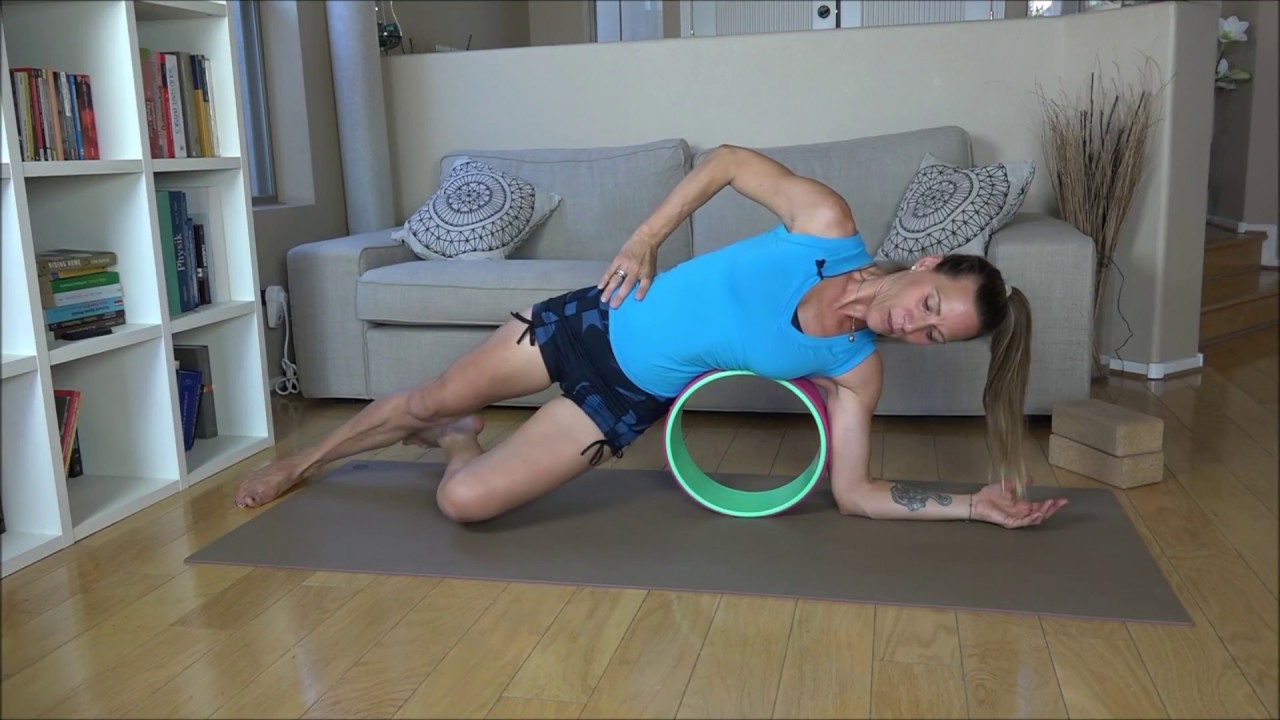
In Singapore’s fast-paced, technology-driven environment, it is common to see people spending long hours hunched over desks, laptops, or mobile devices. This habit often leads to postural kyphosis, a condition characterised by rounded shoulders and a forward head posture. Over time, it can result in chronic stiffness, back pain, and even breathing difficulties. The yoga wheel, a simple yet powerful prop, offers a targeted way to address this issue through mindful stretching and strengthening routines that restore spinal alignment and mobility.
Understanding Postural Kyphosis
Postural kyphosis develops from repeated slouching, weak back muscles, and tight chest muscles. When you sit or stand with rounded shoulders, the thoracic spine (mid-back) curves excessively outward, disrupting the natural alignment of the spine. Over time, this leads to:
-
Tightness in the chest and shoulder area
-
Weakness in the upper and middle back muscles
-
Limited range of motion in the thoracic spine
-
Neck and shoulder discomfort
In Singapore, where many professionals spend more than eight hours daily seated at workstations, these symptoms are becoming increasingly common, even among young adults.
Why the Yoga Wheel is Effective for Postural Correction
The yoga wheel provides the perfect balance between support and mobility. Its cylindrical shape fits the natural curve of the spine, allowing gentle decompression of the vertebrae while releasing tight fascia along the back. Unlike static stretching, the rolling motion engages both the front and back body, creating a dynamic balance between flexibility and strength.
Key benefits include:
-
Improves thoracic extension (upper back mobility)
-
Opens the chest and shoulders safely
-
Strengthens stabilising muscles around the spine
-
Promotes awareness of upright posture
-
Relieves tension from prolonged sitting
The Biomechanics of the Yoga Wheel in Kyphosis Correction
When used correctly, the yoga wheel creates a traction effect that realigns the spine naturally. As you roll along the wheel, it lifts and expands the chest while gently stretching the tight fascia of the upper back. This action not only releases physical tension but also stimulates the muscles responsible for maintaining good posture.
Additionally, the yoga wheel’s circular shape supports gradual spinal extension, helping reverse the effects of chronic rounding. By combining rolling with controlled breathing, practitioners can train the body to adopt a neutral spinal position.
Preparing the Body for Wheel Practice
Before beginning a corrective yoga wheel session, it is essential to warm up the body. A few minutes of gentle shoulder rolls, cat-cow stretches, and neck movements can help prepare the spine. Awareness is key. The aim is not to force deep backbends but to open tight areas progressively.
Tips before starting:
-
Wear comfortable, non-restrictive clothing.
-
Use a mat to prevent slipping.
-
Move slowly and breathe deeply.
-
Focus on control, not speed.
A Step-by-Step Yoga Wheel Protocol for Rounded Shoulders
Below is a guided sequence that targets the main areas affected by kyphosis—upper back, shoulders, and chest.
1. Wheel-Assisted Thoracic Roll
Lie back with the wheel positioned under your shoulder blades. Keep your knees bent and feet flat. Roll slowly up and down along the upper spine. This movement massages tight muscles and increases thoracic mobility.
Focus: Keep your neck supported and breathe deeply into your chest. Spend one to two minutes rolling gently.
2. Supported Heart Opener
Sit upright with the wheel behind your back. Lean back slowly, allowing your arms to open wide. The chest lifts naturally while the shoulders move back.
Benefits:
-
Counteracts hunching and promotes spinal extension.
-
Expands the ribcage, improving breathing capacity.
Hold for 30–60 seconds, breathing steadily.
3. Shoulder Flexibility Drill
Sit with the wheel in front of you. Place your hands on it shoulder-width apart. Roll the wheel forward until your arms are extended and your forehead reaches the mat.
Focus: Keep your hips above your knees to stretch the shoulders deeply without compressing the lower back.
4. Reverse Plank with Wheel Support
Place your hands on the floor behind your hips and the wheel under your ankles. Lift your body into a reverse plank. Engage your glutes and open the chest toward the ceiling.
Purpose: Strengthens the posterior chain and counterbalances tight front-body muscles.
5. Prone Chest Lift with Wheel
Lie face down with the wheel under your chest. As you inhale, lift your chest and arms slightly, engaging your shoulder blades. This strengthens the rhomboids and mid-back muscles that support good posture.
Tip: Keep movements controlled to prevent lower back strain.
6. Seated Posture Reinforcement
Sit tall on the mat, hold the wheel in front of your chest, and press your palms gently into it while engaging the core. This trains awareness of an upright position.
Repeat the sequence two to three times weekly to gradually improve posture and reduce tightness.
Strengthening the Back for Lasting Results
Stretching alone will not correct kyphosis completely. Strengthening the supporting muscles ensures long-term improvement. You can integrate these yoga wheel exercises into your regular routine:
-
Wheel Row Pulls: Sit upright and hold the wheel in front. Pull it toward your chest to activate the upper back muscles.
-
Wall Press Extensions: Stand facing a wall, press the wheel against it with your hands, and push gently to engage your shoulders.
-
Rolling Core Activations: Lie back with the wheel under your lower back and perform small crunches to build stability.
These exercises tone the muscles that maintain alignment, ensuring your posture remains upright throughout the day.
Everyday Habits that Support Posture Correction
Using the yoga wheel regularly is only one part of the solution. Daily habits also play a major role in preventing the recurrence of rounded shoulders.
Practical adjustments include:
-
Ergonomic Work Setup: Keep your screen at eye level to avoid slouching.
-
Take Movement Breaks: Stand, stretch, or roll your shoulders every 30–45 minutes.
-
Mindful Sitting: Avoid crossing legs or leaning forward excessively.
-
Breathing Awareness: Deep diaphragmatic breathing naturally encourages upright posture.
These small changes, when combined with yoga wheel practice, create sustainable results.
The Mind-Body Connection in Posture
Posture affects more than appearance; it influences mood, confidence, and energy levels. Rounded shoulders often correspond with stress, fatigue, or emotional tension. As the chest opens through yoga wheel exercises, practitioners often report feeling lighter and more centred.
Breathing also becomes more efficient as the diaphragm gains space. The emotional release that accompanies physical alignment fosters a sense of empowerment and calm.
Those who practise regularly at Yoga Edition often find that postural improvement translates into greater focus, better breathing control, and reduced fatigue in daily life.
Common Mistakes to Avoid
Even with the right prop, improper technique can slow progress or cause strain. Keep these points in mind:
-
Avoid forcing deep backbends if the spine feels tight.
-
Keep the movements slow and supported.
-
Do not roll directly on the neck or lower back.
-
Always align the wheel along the centre of your spine.
-
Maintain awareness of your core engagement to protect the lower back.
Progress Tracking and Motivation
Postural correction takes time, but consistent practice brings visible results. Photograph your posture monthly or track flexibility improvements in your shoulders and spine. Gradual improvement is more sustainable than rapid change.
Celebrate small milestones, such as being able to sit upright comfortably or hold a chest opener longer without discomfort. This positive reinforcement keeps you committed to your journey toward better posture.
FAQs
Q1. How long does it take to see results from yoga wheel practice?
Noticeable improvements in posture and flexibility can appear within four to six weeks of consistent practice, though long-term alignment requires ongoing maintenance.
Q2. Can the yoga wheel completely reverse kyphosis?
For mild postural kyphosis, yes, it can significantly improve alignment and mobility. For structural kyphosis, it can help relieve pain and enhance flexibility, but full correction may require professional supervision.
Q3. Should I combine yoga wheel exercises with strength training?
Yes, pairing wheel stretches with strength exercises, particularly for the back and core, enhances stability and accelerates progress.
Q4. Can office workers use the yoga wheel during breaks?
Absolutely. Even five minutes of rolling or chest opening can ease stiffness and improve posture awareness throughout the day.
Q5. Is the yoga wheel suitable for older adults with kyphosis?
Yes, provided they move slowly and use sufficient support. The wheel’s gentle pressure helps improve mobility without causing strain.
The yoga wheel is not just a prop; it is a posture companion for modern life. By incorporating it into regular practice, anyone struggling with rounded shoulders or stiffness from sedentary habits can restore their natural alignment, move freely, and breathe with greater ease.

Comments are closed.